Scientists grow cancer drug in Tobacco plants: Here's everything to know
Scientists rebuild Taxol pathways in plants
Published November 24, 2026
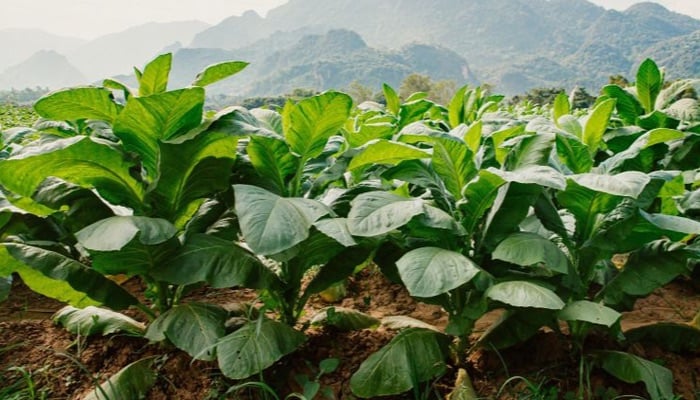
Scientists have managed to synthesize paclitaxel, an important chemotherapy agent that is also known by the name of Taxol, in plants. It will possibly lead to less dependence on the growth of yew trees in the future.
In the paper that was released on Monday, November 23, in the journal Nature Chemical Biology, the scientists from the University of Copenhagen, headed by Sotirios Kampranis, together with the scientists from the National and Kapodistrian University of Athens and Fayoum University, successfully reconstructed the biosynthesis pathway of paclitaxel in Nicotiana benthamiana, which is a kind of tobacco.
Paclitaxel is an important cancer drug, but its synthesis is hard due to its complicated structure and scarce natural presence. Several partial and different biosynthesis pathways were suggested previously, but this one has been validated for the first time.
The team systematically clarified remaining issues regarding the mechanisms and validated enzyme activities by isolating key pathway intermediates and validating their structure through nuclear magnetic resonance. They also optimized the sequence of the catalytic reactions.
More importantly, the team demonstrated that important biosynthetic reactions take place in different organelles and require the transfer of intermediates between plastids, endoplasmic reticulum, cytoplasm, and peroxisomes.
Based on the information gathered, the team developed specific engineering techniques that resulted in a more than 500-fold increase in paclitaxel yield and reached 61.05 micrograms per gram dry weight, a level similar to Taxus bark.
“This work provides the first reconstruction of a chemically validated pathway to produce the natural anti-cancer drug paclitaxel.”
The study was supported by Independent Research Fund Denmark and the Novo Nordisk Foundation. Four of the authors are co-inventors on two patents pending concerning the function of two enzymes used in this work.