US Army is detonating five tonnes of explosives in Iowa: Why are residents fleeing?
Residents are sealing their windows and leaving their homes ahead of Thanksgiving
Published November 25, 2026
While millions of Americans are preparing to celebrate Thanksgiving with their families, some residents in southeastern Iowa are packing their belongings and leaving their homes over fears of toxic lead contamination.
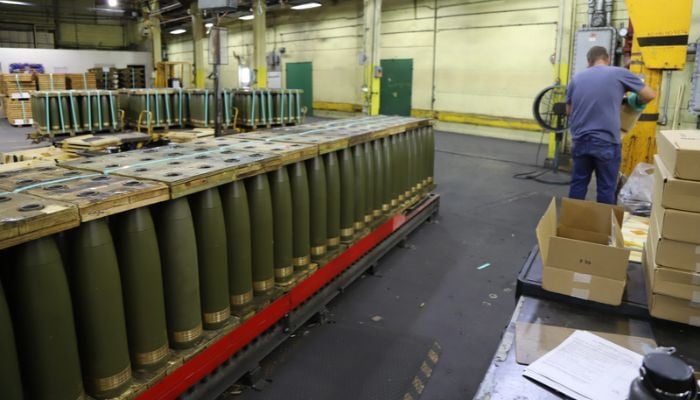
The United States (US) Army is set to detonate more than 9,700 pounds of lead azide at an ammunition plant in Middletown at around 9am local time on Wednesday, November 25.
The military brought its stockpile of lead azide from bases across the country to Iowa in 2009, storing it in case it was needed again.
However, during a routine inspection in March, officials discovered that the decades-old explosive material had begun crystallising, making it dangerously unstable.
Experts concluded that even moving the barrels could trigger an accidental explosion.
The operation has been postponed several times following public outcry and a legal challenge by environmental groups.
A federal appeals court subsequently allowed the Army to proceed, acknowledging that an uncontrolled explosion could pose greater risks.
Meanwhile, Iowa Governor Kim Reynolds has declared a disaster emergency across three counties, with up to 100 National Guard soldiers assisting local authorities.
Residents in designated areas within five miles of the plant have been advised to temporarily relocate.
Those living farther southwest have been advised to remain indoors.
The biggest concern is the lead dust that could settle on homes, agricultural land and playgrounds.
Federal authorities are conducting environmental tests before and after the explosion to determine whether affected areas require decontamination.