Inside memos reveal Microsoft's ‘code red' response to massive email failure
Microsoft launches ‘code red’ overhaul after 24-hour outage hits millions
Published November 25, 2026
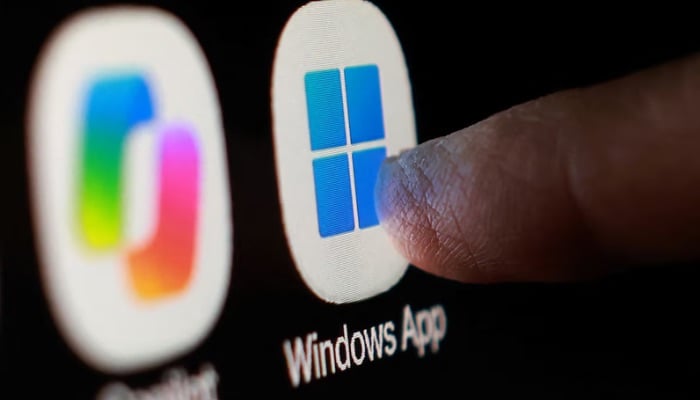
Microsoft has declared an internal “code red” to overhaul how it prevents and responds to major service failures after a nearly 24-hour outage took down email for millions of customers.
The outage on November 12 and 13 impacted government departments in countries like Australia, Japan, and the US, causing delays for trading organisations and communications for airlines.
The problem is said to have been caused by an unexpected scaling flaw in Windows released in July, which has remained unnoticed until now on Microsoft 365 gateway networking servers.
In a memo to staff, M365 Core President Jason Henderson said the outage was the most customer-impacting incident in Exchange Online’s history.
He wrote: “Unfortunately, all the work we have done over the years was not sufficient to protect us on Thursday. Code Red means that this is the highest priority work for our team.”
Corporate vice president Amanda Silver, who oversees M365 Core and Work IQ, revealed that the engineers battled through a “fog of war,” despite sending their best people into action. In their efforts to communicate, more than 11,000 messages were sent between 11 Teams chats due to the fragmented nature of diagnostic data within various internal tracking systems.
As part of the Code Red, Microsoft highlighted five workstreams related to load shedding, geographic traffic partitioning, and enhanced recovery methods. The company has set a goal to resolve any future incidents globally within an hour and has already begun to develop its own AI agents to help engineers analyse system health data more quickly. Daily meetings with the Substrate leadership team, as well as weekly reviews, are planned.
Henderson also admitted that the urgent patches took too much time to become deployed, stating that it took five to six days for a recent production fix to become worldwide saturated. “For our most urgent security issues, we must be able to go from detection to safe worldwide deployment in an hour,” he said. “Needless to say, we aren't there yet.”