Iowa 'lead bomb' aftermath: EPA reveals first test results following massive explosion
US Army detonated nearly five tonnes of toxic explosives in Iowa
Published November 29, 2026
Three days after the United States (US) Army detonated nearly 10,000 pounds of lead azide in Iowa, forcing some residents to spend Thanksgiving away from their homes, authorities have released some encouraging results.
The Environmental Protection Agency (EPA) on Saturday revealed that none of the 38 water samples collected from public water supplies following the explosion contained detectable levels of lead.
Moreover, air monitoring equipment did not detect airborne lead for 30 consecutive hours following Wednesday's explosion.
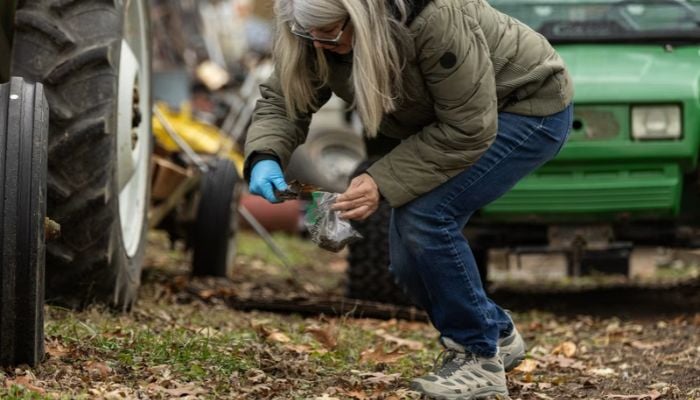
The EPA has collected more than 3,200 samples of air, water, soil and dust before and after the detonation.
Schools, playgrounds, churches, homes and agricultural land are among the locations being examined.
However, despite the encouraging findings, some residents are still looking for answers.
Speaking to Reuters, several Iowa residents expressed concerns over how the military allowed the explosive material to deteriorate to the point where destroying it became the only viable option.
The stockpile was transferred to Iowa in 2009, when some of the material was already more than 60 years old.
Iowa Senator-elect Josh Turek has called for a full investigation into the circumstances that led to the operation.
Meanwhile, some residents are arranging independent laboratory tests of soil collected from their properties.
Lead exposure is particularly dangerous for children as it can interfere with brain development. Unlike many other pollutants, lead does not break down in the environment.
The EPA will release further laboratory results in the coming days, including findings from soil, household dust and tap water samples.