Euro gains in Asia before German court ruling
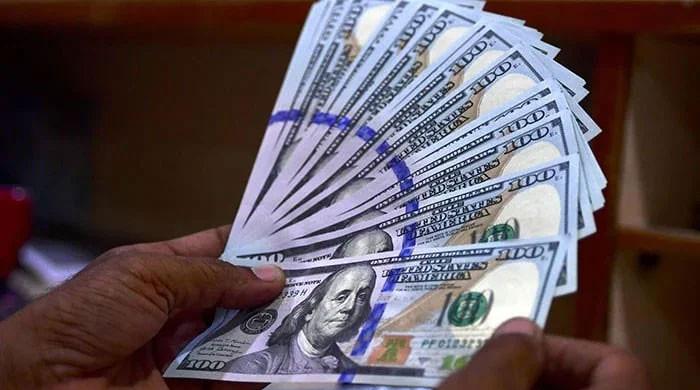
TOKYO: The euro rose in Asian trade on Wednesday ahead of a German court ruling on the eurozone's bailout fund, while the dollar was mixed on speculation about further easing by the US Federal...
Published September 12, 2012
The common European currency bought $1.2855 and 100.18 yen, compared with $1.2848 and 99.88 yen in New York trade late Tuesday.
The dollar was at 77.88 yen, from 77.73 yen in US trade where the greenback had earlier touched 77.71 yen, its lowest level in about three months.
"Sentiment on the US dollar is negative not only against the yen but against other currencies as well," Osao Iizuka, head of FX trading at Sumitomo Mitsui Trust Bank, told Dow Jones Newswires.
The US Federal Reserve starts a two-day policy meeting later Wednesday as traders look for signs the central bank will launch another round of bond-buying known as quantitative easing to boost the world's biggest economy.
Such measures tend to weigh on the greenback, which was also sold in US trade on Tuesday after Moody's said it might strip the United States of its triple-A rating if Congress failed to cut the federal debt burden.
The warning come a year after Standard & Poor's took away the country's top-notch mark.
The dollar won some support after new data showed the US trade deficit was virtually unchanged in July from June, an unexpected reading although both imports and exports dropped amid a slowdown in the global economy.
The German court ruling Wednesday on the constitutionality of the eurozone's rescue fund was expected to clear the way for the bailout mechanism, soothing fiscal turmoil in the 17-nation bloc.
A ruling in favour of the European Stability Mechanism means the currency club will have fresh flexibility to deploy 500 billion euros ($630 billion) to support its weakest members, with immediate attention focused on struggling Spain. (AFP)