No war-related surcharges being imposed, shipping agents assure Pakistan
ME crisis has led to imposition of war-risk and emergency conflict surcharges
Published April 05, 2026
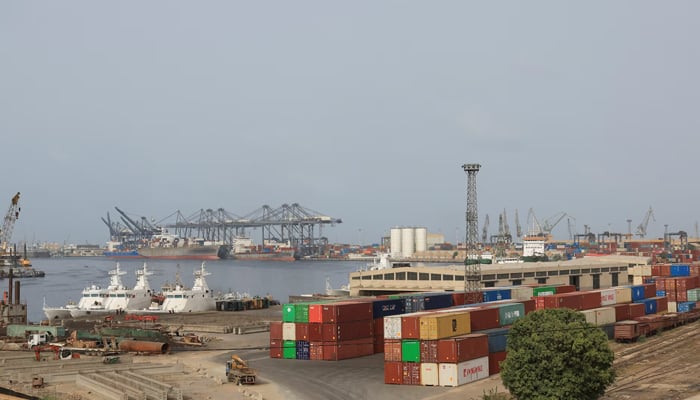
- Minister assures no additional surcharges to be imposed.
- Maersk increases its Emergency Contingency Surcharge.
- Key industry bodies set to release advisories.
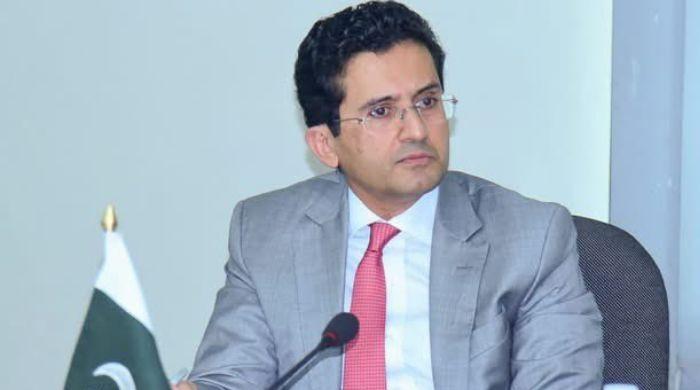
KARACHI: Pakistan has received assurances from shipping agents that no war-related surcharges are being applied to in-transit cargo or shipments on alternative routes, Maritime Affairs Minister Muhammad Junaid Anwar Chaudhry said on Saturday, adding that relief in demurrage charges has also been offered, according to Arab News.
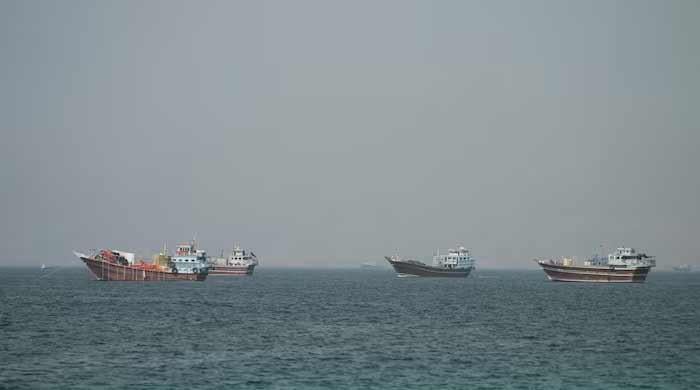
The News reported that the US-Israel war on Iran and Tehran’s counterattacks in the Gulf have led to the imposition of war-risk and emergency conflict surcharges ranging from $3,500 to $4,000 per 20-foot equivalent unit (TEU), depending on the shipping line, according to Pakistani media reports.
Shipping giant Maersk announced an increase in its Emergency Contingency Surcharge (ECS) for shipments from Pakistan and the wider subcontinent to West Africa, effective April 1. Menzies RAS and Gerry’s dnata imposed Rs25-50 per kg “ad hoc charges” on export cargo, in addition to heavy war risk and emergency conflict charges by shipping lines.
Speaking at a high-level meeting, Chaudhry said customs authorities have issued circulars urging traders to report any unjustified surcharges, with around 10 complaints processed to date to address challenges faced by Pakistan’s importers and exporters.
“This ensures accountability and protects our trading community,” he was quoted as saying by his ministry. “Additionally, terminal operators have agreed to offer relief on demurrage charges for export containers that arrived before March 3.”
Key industry bodies, including the Pakistan Ship’s Agents Association and the All-Pakistan Shipping Association will release advisories directing members to refrain from charging retention fees on export containers stranded at ports, according to the minister.
The measures form part of a broader government strategy to alleviate pressure on Pakistan’s ports amid persistent logistical hurdles.
“We are coordinating closely with port authorities, customs officials, and shipping stakeholders to streamline cargo movement and cut financial burdens on exporters,” Chaudhry said.
“The initiatives aim to boost efficiency in the blue economy, supporting exporters navigating global disruptions.”
Pakistan this week approved bulk and vehicle cargo handling under transshipment arrangements for the first time, in a move the maritime ministry described as a step towards positioning the country as a regional logistics hub amid shifting shipping routes.
“These strategic decisions mark a significant step toward positioning Pakistan as a competitive and resilient transshipment hub in the region,” the maritime affairs ministry said earlier.
Under the new framework, Pakistan allowed the handling of bulk and break-bulk cargo, including commodities such as grains, coal and minerals, under transshipment arrangements, a move expected to increase port throughput and attract new shipping lines.
Authorities have also approved specialised Roll-on/Roll-off (Ro-Ro) operations for vehicle transshipment, enabling the movement of cars, SUVs and other wheeled cargo through Pakistani ports.