FDA approves first oral pill to treat postpartum depression
About one in seven new mothers are affected by PPD which severely affects their ability to return to normal functioning
Published August 06, 2023
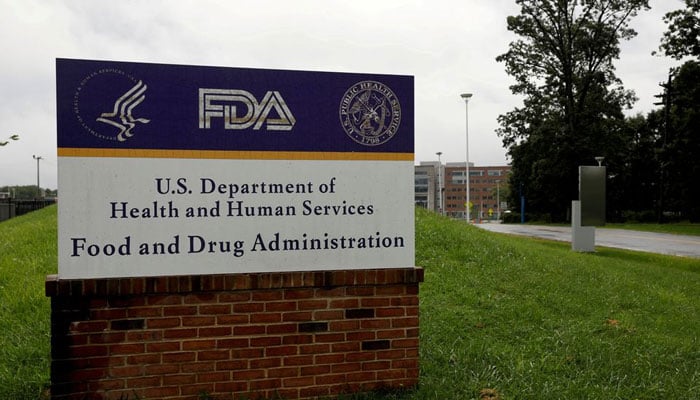
In a first, a new oral pill to treat postpartum depression (PPD) in adults has been approved by the Food and Drug Administration (FDA) in the United States, Reuters reported.
The drug, Zurzuvae, will treat major depressive disorder (MDD), or clinical depression, as well as postpartum depression.
About one in seven new mothers are affected by PPD which severely affects their ability to return to normal functioning. It also puts an impact on a mother's relationship with her child.
"Zurzuvae is expected to launch and be commercially available in the fourth quarter of 2023 shortly following scheduling as a controlled substance by the U.S. Drug Enforcement Administration, which is anticipated to occur within 90 days," Sage Therapeutics and Biogen said in a statement.
The statement said the FDA issued a Complete Response Letter for the New Drug Application for Zurzuvae in the treatment of adults with MDD. The letter said the application did not provide substantial evidence of the effectiveness of Zurzuvae for treating of MDD and that additional studies would be needed to support the approval.
Sage and Biogen said they were reviewing the feedback and evaluating the next steps.
Analysts have anticipated that the stocks of both companies would fall if the drug was approved only for postpartum depression, due to the smaller patient population.
Until now, the FDA said, treatment for postpartum depression was available only as an intravenous injection.
In 2021, an estimated 21 million adults in the United States had at least one episode of major depressive disorder, which is characterized by a persistent feeling of sadness. PPD affects around one in seven women who give birth.