Bottled Water Exposed: Study finds over 100,000 nanoparticles per litre
Study sheds light on unexpectedly high prevalence of tiny plastic particles in bottled water, indicating potential health implications
Published January 09, 2024
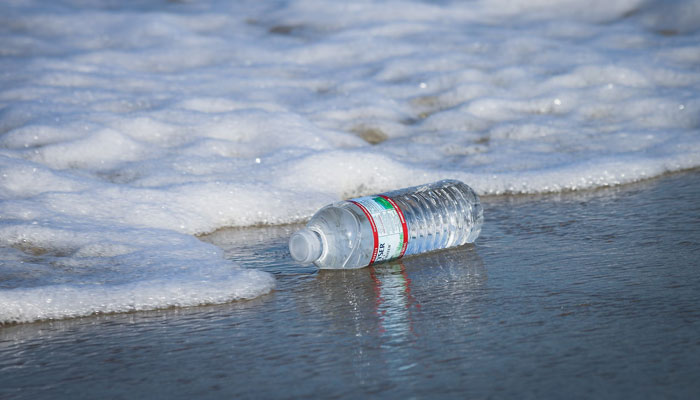
A recent study has brought to light that bottled water is teeming with an unexpectedly high quantity of nanoplastics, surpassing 100,000 particles per liter.
Researchers from Columbia University embarked on a groundbreaking investigation, examining the presence of nanoplastics, microscopic plastic particles smaller than 1 micrometer, in bottled water. The findings of the study, unveiled in the Proceedings of the National Academy of Sciences, shook previous estimations, revealing a shocking density of these tiny plastic particles, indicating potential health risks previously underestimated due to plastic pollution.
Nanoplastics, due to their diminutive size, pose a significant health threat as they can penetrate cells, enter the bloodstream, and potentially harm organs. Lead author Ms. Naixin Qian emphasized the gravity of this discovery, underlining the potential health risks associated with the consumption of bottled water contaminated with these particles.
Employing innovative microscopy techniques and a data-driven algorithm, the researchers scrutinized samples from 25 1-liter bottles, sourced from popular brands in the United States. Astonishingly, their analysis unveiled a substantial count of over 100,000 nanoplastic particles per liter, marking a significant increase from previous estimations.
Among the identified particles were common plastic types such as polyethylene terephthalate (PET) and polyamide. However, the study also stumbled upon a multitude of unidentified nanoparticles in the water, hinting at a potentially higher prevalence of plastic contamination in bottled water than previously acknowledged.
This revelation holds global implications, given the rampant production of plastics exceeding 450 million tonnes annually. Plastic pollution remains persistent, breaking down into smaller, potentially harmful particles over time.