Pakistan finalises record Rs659.6bn settlement of power sector debt, says minister
Leghari says landmark transaction is core component of Rs1,225 billion circular debt reduction plan

Published December 11, 2025
- Deal advances circular debt cuts under government reform plan.
- Analysts say move boosts energy liquidity, investor confidence.
- Settlement aims to reduce power sector circular debt.
ISLAMABAD: Pakistan has finalised a landmark Rs659.6 billion repayment of Power Holding Limited (PHL) liabilities, the biggest deal ever in its debt capital markets, Federal Minister for Power Sardar Awais Ahmed Khan Leghari announced on social media, The News reported on Thursday.
The settlement comprises Rs399.6 billion redemption of Pakistan Electric Supply (PES) I & II bonds through the National Depository Mechanism (NDM) via off-market transactions and an additional Rs259.7 billion cleared across various syndicated financing facilities.
According to the minister, the NDM component of the transaction demonstrates the maturity and strength of Pakistan’s capital market ecosystem and its ability to manage large-scale strategic financial operations.
"This landmark transaction is a core component of the Rs1,225 billion Circular Debt Reduction Plan,” Leghari said. “It reflects strong institutional confidence in Pakistan’s ongoing economic reforms, government initiatives, and the depth of our capital and Islamic finance sectors.”
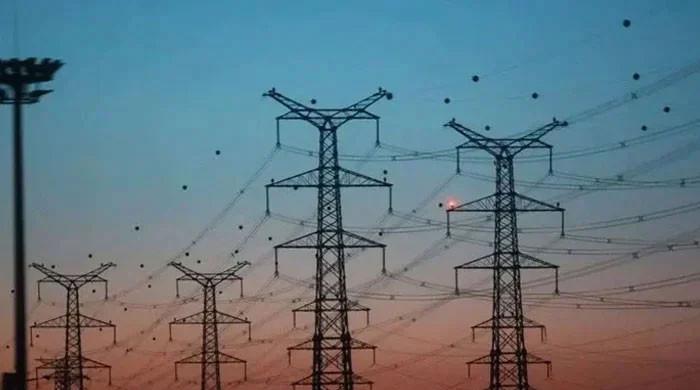
Experts say the settlement provides a significant boost to the energy sector, which has been grappling with high circular debt, liquidity constraints and inefficiencies.
By redeeming PHL obligations and restructuring financing liabilities, the government aims to enhance the financial sustainability of the power distribution companies, improve investor confidence and pave the way for broader energy sector reforms.
The minister emphasised that the government remained committed to structural reforms in the energy sector alongside long-term fiscal stabilisation. He highlighted the ongoing efforts to engage with all stakeholders to accelerate reform-driven growth and secure Pakistan’s energy future.
Financial analysts view the Rs659.6 billion transaction as a milestone, signalling that Pakistan’s capital markets are capable of supporting large-scale debt operations, a crucial factor in maintaining energy sector liquidity and stability.
With this landmark settlement, Pakistan moves a step closer to reducing circular debt, strengthening institutional credibility and laying the groundwork for sustained energy sector reform and economic growth.
Meanwhile, the government has completed its largest-ever capital markets debt transaction, settling Rs659.6 billion ($2.3 billion) in power sector liabilities as part of the government’s ambitious plan to slash chronic circular debt, Power Minister Sardar Awais Ahmed Khan Leghari said on Wednesday. The settlement includes Rs399.6 billion in redemption of Power Holding Limited’s Pakistan Energy Sukuk (PES) I and II through an off-market transaction in the negotiated deal market, alongside Rs259.7 billion cleared under various syndicated financing facilities.
Through a post on X, the minister described it a landmark transaction, a core component of the Rs1.225 trillion Circular Debt Reduction Plan, reflecting strong institutional confidence in Pakistan’s economic reforms, government initiatives and the depth of our capital and Islamic finance ecosystem. The government remains committed to structural energy sector reforms along with long-term fiscal stabilisation and looks forward to engagement with all stakeholders to accelerate reform-driven growth.
Circular debt, the web of unpaid bills across power producers, fuel suppliers and distribution companies. It has been one of the country’s most persistent economic vulnerabilities. It has ballooned over the years due to inefficient distribution companies, mounting capacity payments to power producers, power theft, delayed tariff adjustments and subsidies that outpaced budgetary allocations. The debt cleanup is aligned with structural reforms being pushed under Pakistan’s ongoing International Monetary Fund (IMF) programme.