Iran's government offers dialogue as protests spread to universities
Protesters warn demonstrations could spread across country as high prices led people "to point of explosion"
Published December 30, 2025
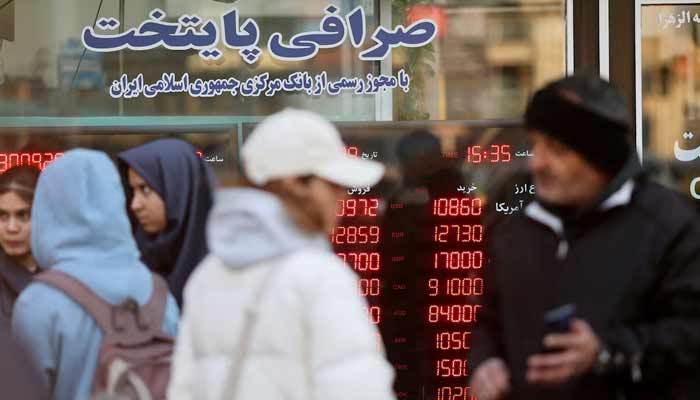
Protests over Iran's soaring cost of living spread to several universities on Tuesday, with students joining shopkeepers and bazaar merchants, semi-official media reported, as the government offered dialogue with demonstrators.
Iran's rial currency has lost nearly half its value against the dollar in 2025, with inflation reaching 42.5% in December in a country where unrest has repeatedly flared in recent years and which is facing US sanctions and threats of Israeli strikes.
President Masoud Pezeshkian said in a social media post late on Monday that he had asked the interior minister to listen to "legitimate demands" of protesters.
Government spokesperson Fatemeh Mohajerani said a dialogue mechanism would be set up and include talks with protest leaders.
"We officially recognise the protests [...] We hear their voices and we know that this originates from natural pressure arising from the pressure on people's livelihoods," she said on Tuesday in comments carried by state media.
Protesters March streets in Tehran
Video of protests, verified by Reuters as taking place in Tehran, showed scores of people marching along a street chanting "Rest in peace Reza Shah", a reference to the founder of the royal dynasty ousted in the 1979 Islamic revolution.
Footage aired on Iranian state television on Monday showed people gathered in central Tehran chanting slogans.
The semi-official Fars News Agency reported that hundreds of students held protests on Tuesday at four universities in Tehran.
On social media, some Iranians voiced support for the protests with one, Soroosh Dadkhah, saying high prices and corruption had led people "to the point of explosion" and another, Masoud Ghasemi, warning of protests spreading across the country.
Iranian authorities have quashed previous bouts of unrest that have flared over issues ranging from the economy to drought, women's rights and political freedoms, with violent security actions and widespread arrests.
The government has not said what form dialogue will take with the leaders of this week's demonstrations, the first major protests since Israeli and US strikes on Iran in June, which prompted widespread expressions of patriotic solidarity.
Pezeshkian said in a meeting with trade unions and market activists on Tuesday that the government will do its best to resolve their issues and address their worries, according to state media.
Sanctions hammer economy
Iran's economy has been in deep trouble for years after US sanctions were reimposed in 2018 when US President Donald Trump ended an international deal over the country's nuclear programme during his first term in office.
United Nations sanctions on the country were reimposed in September and Reuters reported in October that several high-level meetings had been held on how to avert economic collapse, circumvent sanctions and manage public anger.
Economic disparities between ordinary Iranians and the clerical and security elite, along with economic mismanagement and state corruption — reported even by state media — have fanned discontent at a time when inflation is pushing many prices beyond the means of most people.
The currency slid to 1.4 million rials to the US dollar on Tuesday according to private exchange platforms, a record low after starting the year at 817,500 rials to the dollar.
Monthly annualised inflation figures have not dropped below 36.4% since the Iranian new year started in late March according to official figures.
On Monday the central bank chief resigned with Iranian media saying the government's recent economic liberalisation policies had put pressure on the open-rate rial market, where ordinary Iranians buy foreign currency. Most businesses use official currency exchanges where the rial price is supported.
In 2022, Iran was buffeted by protests across the country over price hikes, including for bread, a major staple.
Over the same period and into 2023, the country's clerical rulers faced the boldest unrest in years touched off by the death of a young Iranian Kurdish woman, Mahsa Amini, in the custody of the morality police, who enforce strict dress codes.
Iran remains under intense international pressure, with Trump saying on Monday that he might back another round of Israeli airstrikes if Tehran resumed work on ballistic missiles or any nuclear weapons programme.
The US and Israel carried out 12 days of airstrikes on Iran's military and its nuclear installations in June aimed at stopping what they believe were efforts to develop the means to build an atomic weapon.
Iran says its nuclear energy programme is entirely peaceful and that it has not tried to build a nuclear bomb.