Consumers deprived of relief as govt raises petroleum levy by up to Rs4.62
Authorities decide to keep fuel prices unchanged for the next fortnight
Published January 16, 2026
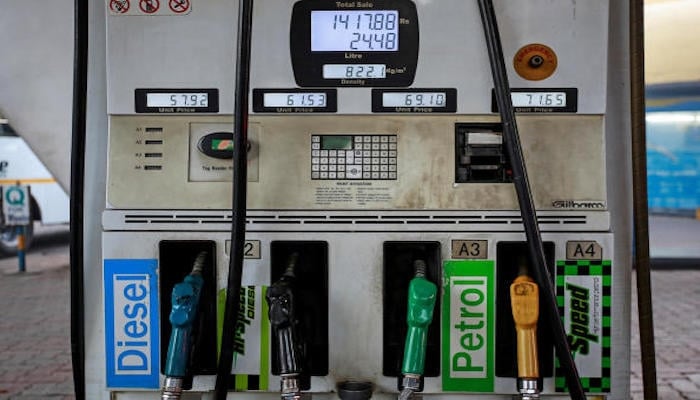
- Govt hikes levy on petrol by Rs4.62 per litre and Re0.80 on HSD.
- Petroleum Levy on HOBC raised by Rs4.62 per litre.
- CSL of Rs2.50 per litre on petrol, HSD and HOBC continues.
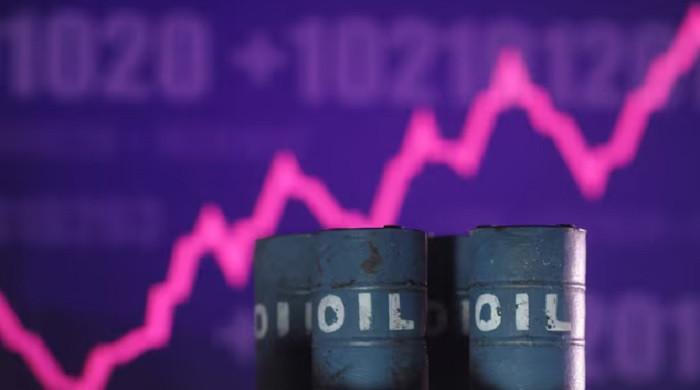
The federal government has raised the petroleum levy (PL) on petrol by Rs4.62 per litre and Re0.80 on high-speed diesel, The News reported on Friday.
The move left consumers without any relief as authorities decided to keep fuel prices unchanged for the coming fortnight, in a simultaneous decision.
The levy on High Octane Blending Component (HOBC) was also raised by Rs4.62 per litre, pushing the total PL on petrol and HOBC from Rs79.62 to Rs84.27 per litre. The PL on HSD has risen to Rs76.21 per litre from Rs75.41.
In addition, the government continues to collect a Climate Support Levy (CSL) of Rs2.50 per litre on petrol, HSD and HOBC. Consumers of kerosene and light diesel oil also face a PL of Rs20.36 and Rs15.84 per litre, respectively.
Fuel prices are further impacted by the Inland Freight Equalisation Margin (IFEM), which stands at Rs8.97 per litre on petrol and Rs7.25 per litre on HSD.
Industry analysts say the move will maintain the government’s revenue stream but keeps consumers and transporters burdened with high fuel costs, despite international oil price declines.
Separately, a notification issued by the Petroleum Division on Thursday night said prices of petrol and HSD would remain unchanged at Rs253.17 and Rs257.08 per litre, respectively, until end-January.
In the previous fortnight review, the government had slashed the rate of petrol by Rs10.28 per litre and high-speed diesel by Rs8.57.
Petrol is mainly used by commuters in small vehicles, rickshaws and two-wheelers. Higher fuel prices significantly impact the budgets of middle and lower-middle class households, who rely on petrol for daily travel.
On the other hand, a significant portion of the transport sector relies on high-speed diesel.
Its price is considered inflationary since it is predominantly used in heavy goods transport vehicles, trucks, buses, trains, and agricultural machinery such as tractors, tube wells, and threshers.
The consumption of high-speed diesel particularly contributes to the increased prices of vegetables and other food items.