Gulf investors launch $2bn arbitration case against Pakistan over KE dispute
Dispute traces back to Oct 2016, when investors agreed to sell 66.4% of K-Electric to Shanghai Electric Power Company
Published January 21, 2026
- Saudi, Kuwaiti investors file $2bn arbitration against Pakistan.
- K-Electric investors launch $2bn case under UNCITRAL rules.
- Pakistan gets 60 days to appoint arbitrator in K-Electric dispute.
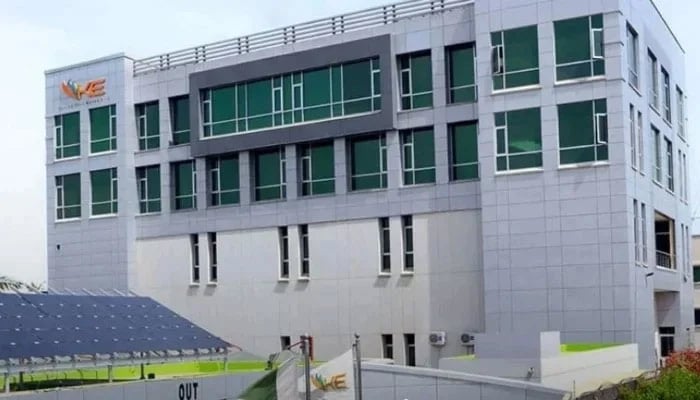
In a shocking development, Saudi and Kuwaiti investors in K-Electric have launched a $2 billion international arbitration case against Pakistan, escalating a years-long dispute over regulatory intervention, unpaid government dues and the prolonged blocking of a $1.77 billion sale of the country’s largest private power utility.
The arbitration was initiated on January 16, 2026, when London-based law firms Steptoe International (UK) LLP and Omnia Strategy LLP, acting for the investors, submitted a Notice of Arbitration under the OIC Investment Agreement and the UNCITRAL Arbitration Rules, formally naming the Islamic Republic of Pakistan as the respondent.
The claimants — 32 Saudi individuals and entities linked to the Al-Jomaih family and five Kuwaiti companies — collectively hold a 30.7% indirect stake in K-Electric and have been cornerstone shareholders since its 2005 privatisation, Pakistan’s first major power-sector divestment.
The claimants have appointed Professor Stephan Schill as their arbitrator and proposed the Permanent Court of Arbitration to administer the case. Pakistan has 60 days to nominate its arbitrator.
According to the 39-page Notice of Arbitration (NoA), the investors say they have poured more than USD4.7 billion into Karachi’s power infrastructure over the past two decades, reviving a loss-making state utility, cutting technical and commercial losses, and expanding generation and distribution capacity.
They claim they have never taken dividends, reinvesting all profits, and estimate their investment has delivered over USD 3 billion in savings to the Pakistani exchequer.
The dispute traces back to October 2016, when the investors agreed to sell 66.4% of K-Electric to Shanghai Electric Power Company in a USD1.77 billion deal. While the transaction initially secured support from Pakistani ministries and regulators, it was later stalled for more than eight years, allegedly due to shifting regulatory conditions, contradictory official instructions and the failure to grant mandatory national security and other approvals.
Despite repeated deadline extensions and full compliance by the investors, the authorities allegedly failed to process approvals in good faith, ultimately forcing Shanghai Electric to walk away. The investors argue the prolonged impasse deprived them of their contractual exit and amounted to indirect expropriation under international law.
The arbitration also highlights long-standing unpaid government receivables, including tariff differential subsidies and other undisputed amounts owed to K-Electric, some dating back nearly two decades. The investors say the mounting arrears crippled the utility’s cash flows, even as government entities continued to levy late-payment penalties.
Efforts to resolve the standoff through dialogue also collapsed. After Pakistan formed a high-level task force in 2022, the government entered a cabinet-approved mediation agreement in February 2024.
Although the mediator reportedly completed findings in May 2025, the process ended abruptly before a final determination could be issued. The investors allege state interference blocked findings unfavourable to the government.
The filing further accuses Islamabad of politicising K-Electric’s multi-year tariff framework and undermining the independence of power regulator NEPRA. After NEPRA issued final tariff determinations in May 2025, the government allegedly declined to notify them, reopened settled matters through flawed review proceedings and imposed revised tariffs the investors describe as confiscatory.
The investors estimate the tariff changes alone would cost K-Electric around Rs85 billion annually, stripping the business of economic viability and eroding investor value, in violation of Pakistan’s obligation to maintain a stable and predictable regulatory regime.
The claim also alleges that Pakistani authorities failed to protect the investment from attempts by a domestic investor to seize control of K-Electric through offshore structures, undisclosed ownership changes and regulatory violations, despite repeated complaints to regulators and enforcement agencies.
In a further allegation, the arbitration cites the diversion of about USD 66 million from the sale of shares in Cnergyico, a Pakistan Stock Exchange-listed company.
The investors claim the proceeds were transferred offshore without approvals, and that regulators failed to act despite multiple alerts. The investors say Pakistan has breached multiple provisions of the OIC Investment Agreement, including protections against expropriation, fair and equitable treatment, free transfer of funds and access to effective remedies.
They have also invoked most-favoured-nation clauses to rely on protections in Pakistan’s bilateral investment treaties with Bahrain and Switzerland.
Originally published in The News