Iran's rial hits new low after unrest sparked by economic crisis
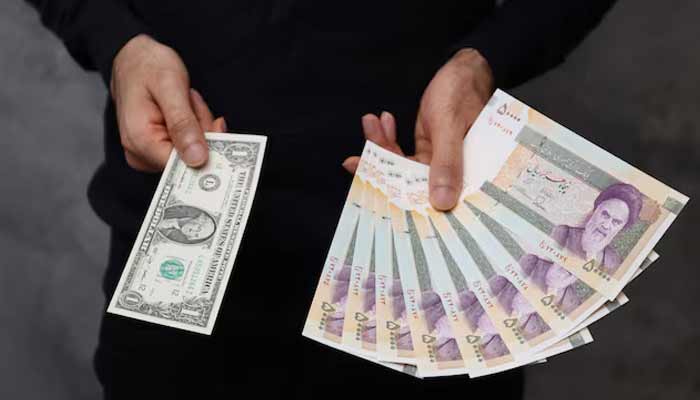
Iran's currency drops to record low of 1,500,000 rials to US dollar
Published January 27, 2026
- Rial has lost about 5% in January, says currency tracker.
- Statistical Centre reports YoY inflation reaches to 60%.
- Verified unrest-related death toll reach 6,126: Right group.
Iran's currency dropped to a record low of 1,500,000 rials to the US dollar on Tuesday, according to Iranian currency tracking websites, weeks after protests sparked by the rial's dwindling value rocked the country.
The rial has lost about 5% of its value over the course of this month, according to data from the currency tracking website Bonbast.com.
Iran's newly appointed Central Bank Governor Abdolnaser Hemmati said on Tuesday that "the foreign exchange market is following its natural course."
What began as protests on December 28 over economic hardship in Tehran's Grand Bazaar quickly morphed into the worst legitimacy crisis for Iran's clerical establishment as it spread across the country with protesters demanding a political change.
Security forces crushed the unrest, which abated earlier this month.
Subsidy reform
Amid the protests, the government had introduced a subsidy reform, replacing preferential currency exchange rates for importers with direct transfers to Iranians to boost their purchasing power for essential goods.
Iran's First Vice-President Mohammadreza Aref defended the policy on Monday, saying corruption had made preferential rates ineffective in tackling inflation for basic goods, and that the new system aimed at stabilising the foreign exchange rate.
Monthly inflation for households has continued to rise, with year-on-year inflation reaching 60% for the period December 21 to January 19, according to figures released by the Statistical Centre of Iran on Sunday.
Meanwhile, Iran's online economy has been battered by an internet blackout imposed since January 8 and still largely in place.
A government spokesperson said on Tuesday that while the government prefers free internet access, security considerations required maintaining restrictions.