UAE loan rollover: Finance minister insists Pakistan faces no external financing gap
Talks with the UAE authorities underway and bilateral arrangements are on track, says Aurangzeb
Published February 05, 2026
- Matter should be taken up with FO: FinMin on UAE rollover query.
- SBP chief says central bank not handling UAE rollover deal.
- FBR failed to significantly expand the tax net: Aurangzeb.
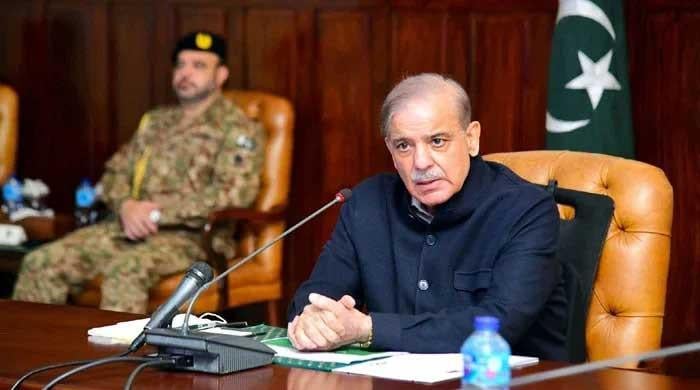
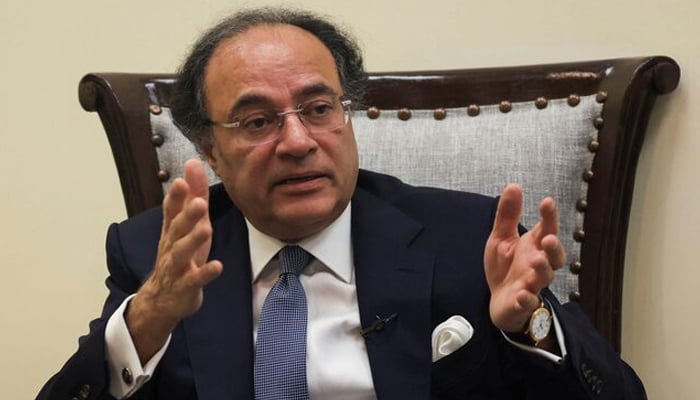
ISLAMABAD: Amid pointed questions over the rollover of a $3 billion loan from the United Arab Emirates, the government’s top economic managers on Wednesday avoided giving a direct answer in the Senate, with Finance Minister Muhammad Aurangzeb instead assuring a parliamentary panel that Pakistan faces no external financing gap, The News reported on Thursday.
During the proceedings of the Senate Standing Committee on Finance, the Ministry of Finance passed the buck to the Ministry of Foreign Affairs, saying that they were dealing with the UAE loan rollover.
When questioned by senators on the issue of rollover of $3 billion from the UAE, the finance secretary said the question was not relevant and that the matter should be taken up with the Foreign Office.
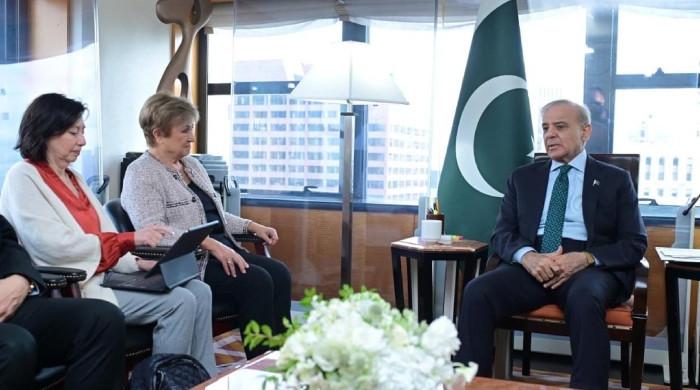
However, Aurangzeb said that Pakistan had already shared a clear external financing plan with the International Monetary Fund (IMF) and that the government remained committed to it. Talks with the UAE authorities were underway and that bilateral arrangements were on track, he said, adding that the committee would be informed if there was any change.
Meanwhile, State Bank of Pakistan (SBP) Governor Jameel Ahmad said that the central bank was not handling the deal and that the Ministry of Finance was in a better position to comment.
Talking to the media after the Senate panel meeting, the finance minister said that an IMF review mission was all set to arrive in Pakistan later this month to conduct the third review under the $7 billion Extended Fund Facility (EFF).
About the NFC meeting, the minister said working groups were engaged on the National Finance Commission award, and after sub-groups’ meeting, the NFC session would be convened. The Panda bond, he said, would be issued after holidays were over in China.
Briefing the committee, the finance minister warned that without fiscal discipline and sound financial management, Pakistan would not be able to exit the IMF programme under the existing economic model.
He acknowledged that the Federal Board of Revenue had so far failed to significantly expand the tax net and that corruption and leakages continued within the system, though he said reforms were underway and early results were beginning to show.
He said exports had recorded an increase in January, while the number of tax filers had also risen following awareness campaigns and messages sent by the FBR. He rejected privacy concerns, saying even he and the finance secretary had received similar messages from the tax authority.
Federal Board of Revenue (FBR) Chairman Rashid Mahmood Langrial informed the Senate committee that he was prepared to disclose the names of “respectable” and influential individuals who, he said, were creating obstacles to enforcement action against potential tax evaders.
The statement surprised the committee members. The FBR chairman requested that the disclosures be made during an in-camera session, arguing that powerful elements were using their influence to block the tax authority’s enforcement drive.
He told the committee that, if it deemed appropriate, the names could later be disclosed during the same session, adding that such interference was undermining efforts to act against tax evasion.
After the meeting, the FBR chairman told reporters in an informal interaction that Rs70 billion had so far been collected under the Super Tax, while a total of Rs217 billion was expected to be recovered. He said the revenue target of Rs1,028 billion for the current month would be met.
In a separate briefing to the committee, the SBP governor said new designs for banknotes ranging from Rs10 to Rs5,000 had been finalised, incorporating 15 advanced security features.
He said the designs had been approved by the central bank’s board and were now awaiting approval from the federal cabinet. He clarified that there was no proposal under consideration to withdraw the Rs5,000 note.
The committee directed that all new currency designs be presented in the next meeting for review. It also strongly objected to commercial banks charging customers for SMS alert services, terming the practice unfair to consumers, and recommended that the State Bank stop banks from imposing such charges.
Senator Sherry Rahman cautioned that repeatedly taxing the same segments of society was not a sustainable revenue model. She also stressed that while macroeconomic stability was improving, ground realities such as unemployment in both public and private sectors needed urgent attention.
In response, the finance minister said institutions being shut down were being closed with complete compensation packages, citing past examples such as bank privatisation, which had also resulted in job losses. He further said that such institutions were closed down due to rampant corruption and subsidies.