Moody's changes Pakistan banking outlook to stable from positive
"Moody's outlook reflects a simple message: the crisis has eased, but the recovery is shallow," says analyst
Published February 09, 2026
- Operating environment improving, but only gradually.
- Asset quality and profitability challenges remain.
- Banks' performance seen stable over 12-18 months.
Moody's Ratings has changed Pakistan's banking system outlook to stable from positive, saying the operating environment is recovering "but only gradually" as the economic and fiscal outlook improves and the external position strengthens.
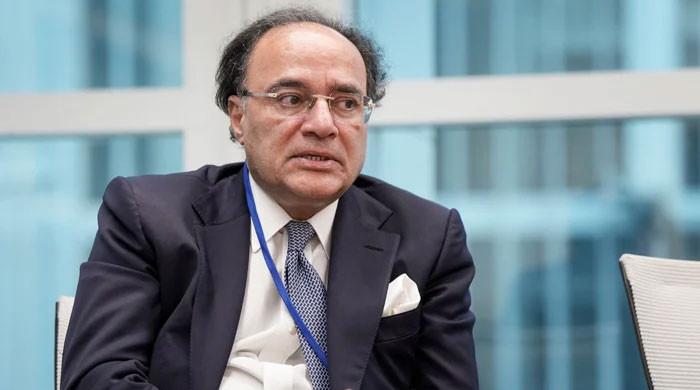
Komal Kenneth Shakeel, Head of Partnerships and Collaborations at Ignite, said the move reads less like a fresh upgrade cycle and more like a signal that volatility has eased without a strong growth push behind it.
"Moody's decision to revise Pakistan's banking outlook from positive to stable is essentially a signal of stabilisation without acceleration," said Shakeel, who is an economist.
In its outlook, Moody's Ratings said banks' financial performance is expected to remain stable over the next 12-18 months, even as lenders continue to face asset quality and profitability challenges.
The agency added that its view of the sector remains closely aligned with the sovereign because local banks hold substantial government securities, around half of total banking assets, keeping the system highly sensitive to government credit strength.
Moody's forecast real GDP growth of around 3.5% for 2026, up from 3.1% in 2025, and said easing policy rates and lower inflation should support credit demand. It added that margins are expected to remain steady after declining following rate cuts.
However, Moody's flagged the scale of sovereign exposure as a key vulnerability, noting that banks' holdings of government securities amount to around half of total assets and about 9.4 times their equity. The agency also said the report does not announce a credit rating action.
Shakeel said the broader macro picture has improved, pointing to lower inflation and stronger remittance inflows, which she argued are supporting bank deposits, foreign exchange reserves and overall financial stability.
However, she cautioned that structural pressures persist, including a sizeable fiscal deficit, heavy interest payments relative to government revenues, and banks' continued preference for sovereign paper over private-sector lending.
"Moody's outlook reflects a simple message: the crisis has eased, but the recovery is shallow and still dependent on external inflows rather than strong domestic growth," she said.
Former adviser to the Ministry of Finance Dr Khaqan Najeeb described the shift as a move towards steadiness, not strength. "Moody's outlook on Pakistan's banking sector has shifted to stable, pointing to a gradual recovery in the operating environment rather than a clear return to strength," he said, adding that the sector remains "structurally tilted toward low-risk balance sheets," limiting private-sector intermediation.
He said the expected pickup in credit growth in 2026 reflects improving macro conditions and lower borrowing costs after disruption linked to the withdrawal of the ADR-linked tax.
He cautioned that stability is still anchored more in capital buffers and sovereign exposure than in a broad-based strengthening of underlying credit fundamentals.
The outlook change follows Moody's sovereign upgrade in August 2025 to Caa1 from Caa2 with a stable outlook, tied to improving financial conditions under an International Monetary Fund (IMF) programme.
AAH Soomro, an independent investment and economic analyst, said the sovereign-heavy asset mix means movements in sovereign credit conditions carry direct implications for local lenders.
"This reflects stronger financial health as banks mostly hold sovereign securities, which are now reflecting higher credit ratings of the country," he said.
"Local banks are well capitalised with adequate risk-based capital to meet deposits and borrowers' requirements. In the long term, this reduces borrowing costs for the government and private sector borrowers," he added.