Trump curiosity, Araqchi defiance shape Thursday's US-Iran nuclear talks narrative
President Trump wonders why Iran hasn’t capitulated despite pressure; Araqchi replies, “because we are Iranian”
Published February 23, 2026
- Cautiously optimistic Iran "ready for any potential scenario”.
- Iran and US to hold new round of talks on Thursday.
- Tehran ready for concessions if US conciliatory.
Iran and the United States are heading into a third round of nuclear talks in Geneva amid renewed diplomatic signalling, pressure rhetoric and cautious optimism from both sides as negotiations continue over Tehran’s nuclear programme.
Both sides will hold a third round of nuclear talks on Thursday in Geneva, Oman’s Foreign Minister Badr Albusaidi said on Sunday, as concerns persist over the possibility of wider military confrontation between the long-time adversaries.
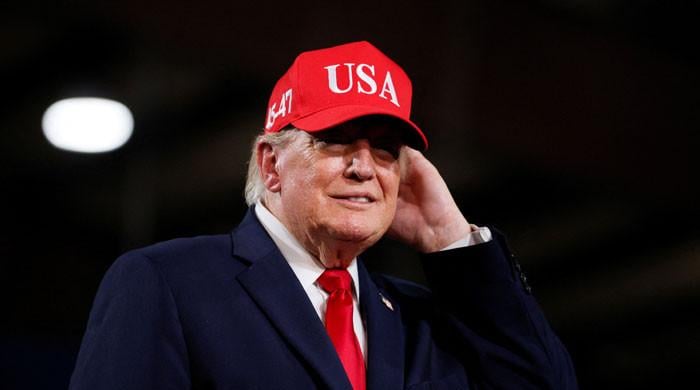
The United States has strengthened its military presence in the Middle East, with President Donald Trump warning that “really bad things will happen” if no agreement is reached to resolve the dispute over Iran’s nuclear programme.
“Pleased to confirm US-Iran negotiations are now set for Geneva this Thursday, with a positive push to go the extra mile towards finalising the deal,” said Oman’s foreign minister, who is mediating indirect talks between Washington and Tehran.
Reuters reported that Iran was offering fresh concessions on its nuclear programme in exchange for the lifting of economic sanctions and recognition of its right to “peaceful nuclear enrichment”.
Iranian President Masoud Pezeshkian expressed cautious optimism in a post on social media, saying recent negotiations had “yielded encouraging signals” while stressing Tehran’s readiness for “any potential scenario”.
Trump’s special envoy Steve Witkoff, who is leading the US negotiating team, said the US president was curious about why Iran had not yet “capitulated” and agreed to curb its nuclear programme.
“I don’t want to use the word frustrated… but he’s curious as to why they haven’t capitulated,” Witkoff said in a television interview.
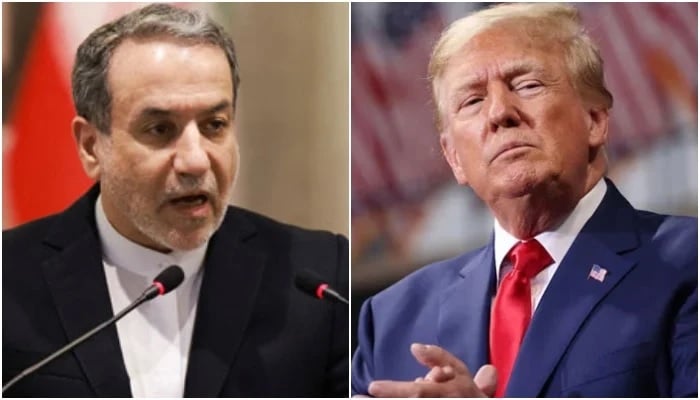
Iran’s Foreign Minister Abbas Araqchi responded in a post on X, saying: “Curious to know why we do not capitulate? Because we are Iranian.”
He also told CBS that a diplomatic solution with the United States remained within reach.
Iran denies seeking nuclear weapons
Indirect talks last year did not bring any agreement, primarily due to friction over a US demand that Iran forgo uranium enrichment on its soil, which Washington views as a pathway to a nuclear bomb. Iran has denied seeking such weapons.
The US joined Israel in hitting Iranian nuclear sites in June, effectively curtailing Iran's uranium enrichment, with Trump saying its key nuclear sites were "obliterated". But Iran is still believed to possess stockpiles enriched previously, which Washington wants it to relinquish.
"They've been enriching well beyond the number that you need for civil nuclear. It's up to 60% (fissile purity)," Witkoff said. "They're probably a week away from having industrial, industrial-grade bomb-making material, and that's really dangerous."
Fresh concessions being considered by Iran include sending half of its highly enriched uranium abroad while diluting the rest.
Washington has also sought to expand the talks beyond the nuclear issue to cover Iran's missile programme and its support for regional armed groups. Iran has publicly rejected this, although sources have told Reuters that, unlike the missiles, support for armed groups may not be a red line for Tehran.
Another topic of friction is the scope and mechanism of lifting sanctions on Iran. A senior Iranian official told Reuters on Sunday that Iran and the United States still have differing views.
Witkoff also said he has met at Trump's direction with Iranian opposition figure Reza Pahlavi, son of the shah ousted in Iran's 1979 Islamic Revolution. He did not provide further details of the meeting.
Pahlavi, who lives in exile, served as a rallying figure for some of Iran's opposition during anti-government demonstrations last month, in which thousands of people are believed to have been killed, the worst domestic unrest since the revolution era.
Earlier in February, Pahlavi said US military intervention in Iran could save lives, and urged Washington not to spend too long negotiating with Tehran's clerical rulers on a nuclear deal.