Inflation surges to 16-month high in February
Pakistan’s inflation jumps to 7%, highest since October 2024
Published March 03, 2026
- Sharp electricity price hikes contribute to rise.
- Consumer price index rises 6.98% year-on-year.
- Urban core inflation reduces to 7.1% from 7.2%.
ISLAMABAD: Pakistan’s inflation surged to 7% in February 2026, the highest since October 2024, as sharp electricity price hikes from subsidy cuts hammered households, while escalating unrest in the Middle East threatened to push global oil prices higher, risking fresh pain for an import-reliant economy.
The consumer price index (CPI) rose 6.98% year-on-year, accelerating from 5.8% in January 2026 and just 1.5% a year earlier in February, according to the Pakistan Bureau of Statistics.
Electricity tariffs delivered the biggest blow after cross-subsidies were scrapped and fixed charges imposed. The housing, water, electricity, gas and At 7%, inflation hits 16- fuels index jumped 9.65% annually and 1.86% in the month, with electricity alone surging 10.03% from January.
Core inflation, which excludes volatile food and energy prices, reduced slightly. Urban core inflation reduced to 7.1% from 7.2%, though it was below 7.8% recorded in February 2025. Rural core inflation remained stable at 8.3%, as last month, compared with 10.4% a year earlier in February 2025.
The uptick in CPI shrank real interest rates by 120 basis points. The State Bank of Pakistan kept its policy rate unchanged at 10.5% last month, resisting calls for a cut. Yet the eight-month average for fiscal 2026 stands at 5.46%, still below last year’s 5.85%, and falls inside the government’s 6-7% forecast band.
Another indicator, the Wholesale Price Index (WPI), jumped to 1.0% during the month under review, up from 0.2% in the previous month and 0.7% in February 2025. It suggests that cost pressures at the producer level are increasing and could translate into costlier retail inflation in the coming months, as WPI typically feeds into consumer prices with a lag.
Analysts said the February spike highlights lingering risks from domestic energy reforms, now amplified by Middle East tensions that could spike Pakistan’s oil import bill, weaken the rupee and drive inflation higher in the coming months. With millions of Pakistanis working in Gulf states, any escalation also risks disrupting remittances, a key economic lifeline, and could fuel public discontent at a time when households are already squeezed by power bills and stagnant wages.
During February, food and non-alcoholic beverages recorded inflation of 5.8%, up from 3.9% a month earlier, while housing and utilities rose 9.65% compared to 7.29% in January. Inflation in miscellaneous goods and services climbed to 23% from 20.97%.
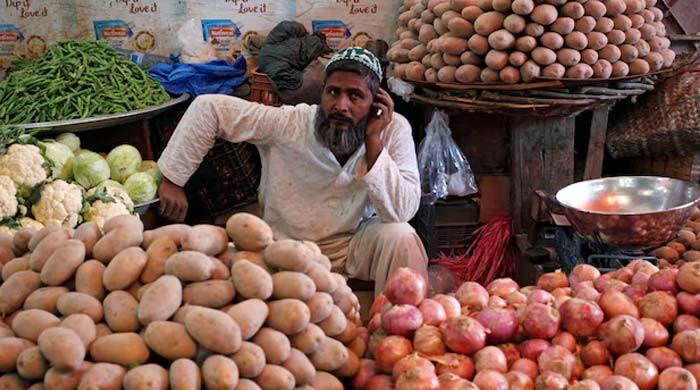
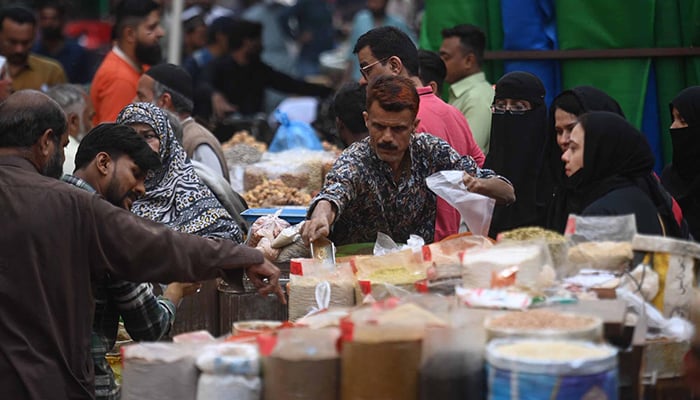
Some staple food items year-on-year recorded notable increases. Tomato prices surged 82%, wheat 42.6%, wheat flour 25.9%, butter 16%, fresh fruits 13%, condiments and spices 12.87%. Price of meat increased 11.3%, milk powder 9.4%, dry fruits 8.1%, gur 8.03%, wheat products 7.4%, rice 5.3% and eggs 5.15% over the same month last year.
In contrast, several food categories posted sharp declines, helping offset the impact on overall food inflation. Potato prices plunged 40%, chicken 21.8%, gram pulse 21.7%, besan 19.9%, onions fell 17%, masoor pulse declined 11%, tea 8.6%, mash pulse 4.9% and fresh vegetables 3.9%.
In the non-food segment, gas charges increased 22.9%, postal services 12.6%, newspapers 11.9%, liquified hydrocarbons 11.6% and education 8.78%.
Originally published in The News