Govt mulls options to tackle impending gas crisis
Authorities considering turning to Socar Trading Company to source 200–250 MMcf/d of LNG if consumption rises
Published March 03, 2026
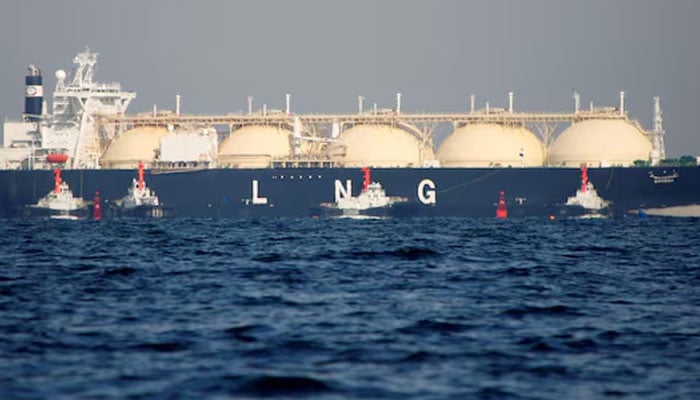
- QatarEnergy halted LNG production after Iran's missile attacks.
- Pakistan to immediately restore 350 MMcf/d of curtailed local gas.
- Can purchase up to required LNG cargoes per month from Socar.
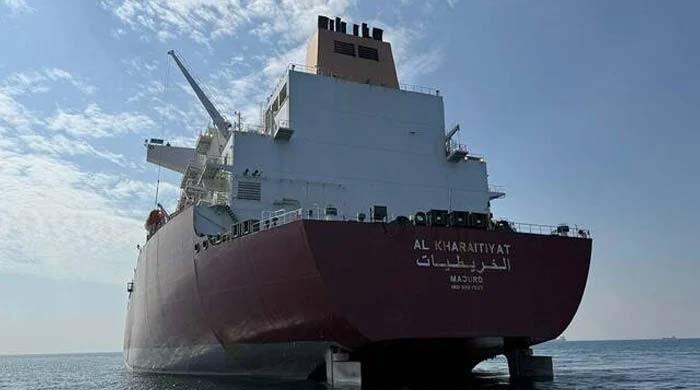
ISLAMABAD: Pakistan’s energy authorities are exploring options to manage a potential gas shortfall after QatarEnergy halted LNG production following missile attacks from Iran and disruptions to shipping through the Strait of Hormuz, The News reported on Tuesday.
It indicates how deeply Pakistan relies on imported LNG to meet domestic fuel needs, forcing officials to pivot quickly towards alternatives such as restoring curtailed local gas output and seeking new supply channels.
The disruption in Qatar's output, combined with tighter tanker movements near Hormuz, has rattled global markets and revealed Pakistan's vulnerability to external shocks in energy supply — with policymakers now racing to prevent shortages, manage pipeline pressures, and secure reliable LNG deliveries for the months ahead.
Officials say Pakistan will immediately restore 350 MMcf/d of curtailed local gas, previously reduced to manage line-pack pressure, and may boost domestic oil and gas production to meet demand.
Authorities are also considering turning to Socar Trading Company to source 200–250 MMcf/d of LNG if consumption rises. They said that within days, the authorities will work out the plan to this effect.
Under normal arrangements, Pakistan imports nine LNG cargoes per month from Qatar under two long-term agreements, plus one cargo per month from ENI. Earlier, Islamabad persuaded Qatar to divert two LNG cargoes per month in 2026, while the ENI cargo was also redirected to the LNG market, as domestic consumption was estimated to drop by about 300 MMcf/d.
Following these diversions, the Power Division reported that nine LNG cargoes per year remain "additional", as demand for LNG-based power generation has subsided, leaving total domestic gas consumption at roughly 400 MMcf/d.
A senior official noted that March’s low heating and cooling demand should keep gas consumption manageable, and electricity demand is unlikely to spike. However, in case of sudden surges, industrial and commercial users may face extended gas load shedding, while domestic consumers remain protected.
Pakistan, if needed, can purchase up to the required LNG cargoes per month from Socar under a one-year agreement signed in July 2023, extendable by another year. Socar may offer cargoes 45 days in advance, which Pakistan LNG Limited (PLL) may accept.
But officials caution that Socar's commitments to China, Japan, and India could limit availability, and LNG previously diverted from ENI cannot be restored.
Analysts warn that the episode exposes Pakistan’s structural energy vulnerabilities. "Every Gulf crisis exposes our over-reliance on imported LNG and crude," said one expert. "When choke points like the Strait of Hormuz are threatened, Pakistan has almost no buffer".
With the US-Israel conflict with Iran ongoing, Islamabad faces a delicate balancing act: restoring curtailed local gas, securing alternative LNG sources, and managing domestic demand — all while navigating an international market that may not have spare capacity to accommodate Pakistan’s needs.