Petrol, diesel prices may see sharp increase if Middle East conflict continues
Oil sector warns of worst-case disruption to Pakistan’s energy supply chain
Published March 04, 2026
- Officials say int’l diesel prices have increased by 30%.
- Calls revived to form a strategic petroleum reserve.
- PSO asked to explore alternative oil and diesel sources.
KARACHI: The oil sector has warned of a worst-case disruption to the country’s energy supply chain if a prolonged conflict between Iran and the United States and Israel escalates further, reviving calls for the establishment of a strategic petroleum reserve (SPR) to manage emergencies.
In their comments to The News, industry officials were cautious in their assessment of the risks stemming from the Middle East conflict. They said the situation could become “worse than imagined” for both supplies and prices of energy products if the Strait of Hormuz remains blocked.
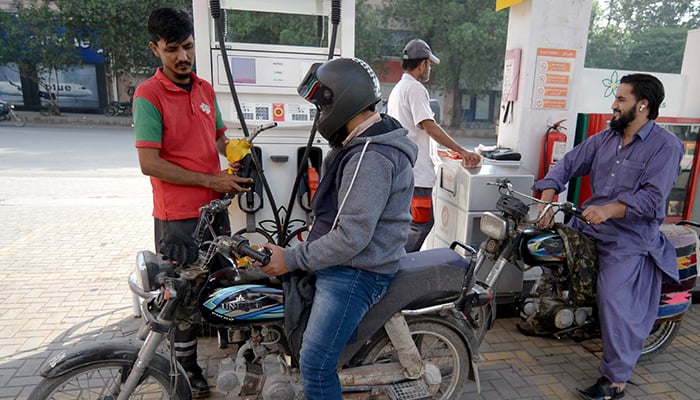
They said international diesel prices have risen by about 30% and crude oil by 12-13% over the past two days. “If we factor in only the two-day increase, domestic diesel prices could rise by Rs40-50 per litre, while petrol may increase by around Rs25 per litre,” one official said.
Beyond higher prices, the officials warned of potential shortages that could severely disrupt the energy supply chain. Almost all of Pakistan’s crude oil and diesel imports pass through the Strait of Hormuz, making the country highly vulnerable to any blockade or military escalation in the region.
Officials familiar with the developments said the government had asked Pakistan State Oil (PSO) to explore alternative sources for crude oil and diesel imports.
They added that the current situation had once again underscored the urgency of establishing a strategic reserve. Despite being heavily dependent on imported oil, Pakistan remains among the few major oil-importing countries without a functional strategic petroleum reserve.
Over the years, both local and international consultants have conducted studies, prepared detailed reports and outlined roadmaps. However, these recommendations have yet to be implemented, leaving the country’s energy security exposed to external shocks, supply disruptions and price volatility.
In an increasingly uncertain global environment, the absence of a strategic oil reserve is not merely an administrative gap but a significant national vulnerability, the officials said, urging swift implementation rather than further studies.
They also drew a distinction between commercial and strategic reserves. Pakistan currently maintains around 25 days of petroleum product stocks as commercial reserves. Strategic reserves, by contrast, are typically maintained by governments or state agencies, involve substantial costs and primarily consist of crude oil rather than refined petroleum products.