Delivery riders race for Eid, but Mideast tensions squeezes earnings
Published March 19, 2026
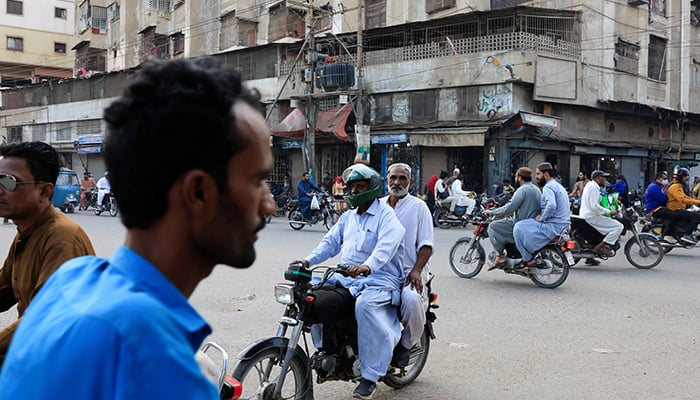
As Eid ul Fitr approaches, marking the end of the Muslim fasting month of Ramadan, delivery riders on Karachi's streets say they're working longer hours, but earning less, with little left for the new clothes and treats that usually mark the festival.
A few weeks ago, 23-year-old Mohammad Mohsin could make around Rs1,500 a day.
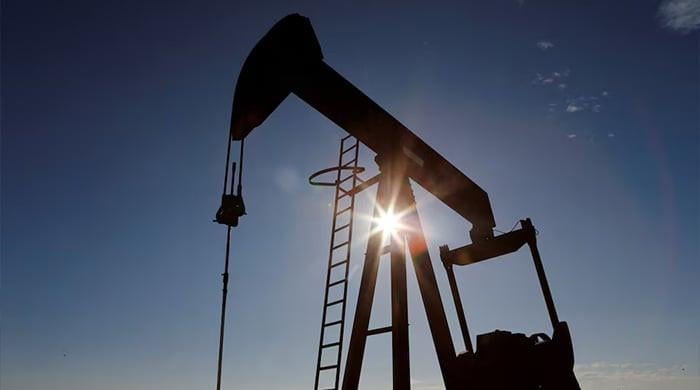
Now, with the US-Israeli war on Iran choking oil supplies, petrol prices have surged above Rs320 per litre and Mohsin's earnings have shrunk to around Rs1,100.
"Before it was all mine," he said. "Now, a huge sum goes into petrol."
The rising cost of fuel is hitting some of Pakistan's lowest-paid urban workers hardest, and many riders are making barely enough to cover the essentials, let alone the Eid celebrations.
Reuters spoke to more than half a dozen riders in Karachi, the country's biggest city, all of whom said the fuel price surge had squeezed earnings ahead of Eid, a time when they are usually able to boost their income.
No fixed pay or benefits
Inflation, which had eased after hitting a record 38% in 2023, has accelerated to around 7%, pushing up food, rent and utility costs. Many gig workers earn below the Rs32,000 monthly minimum wage, with no fixed pay or benefits.
Austerity measures, school closures and work-from-home policies have cut commuting trips, reducing ride-hailing income even as delivery demand rises for the breaking of fast and Eid, which falls this week.
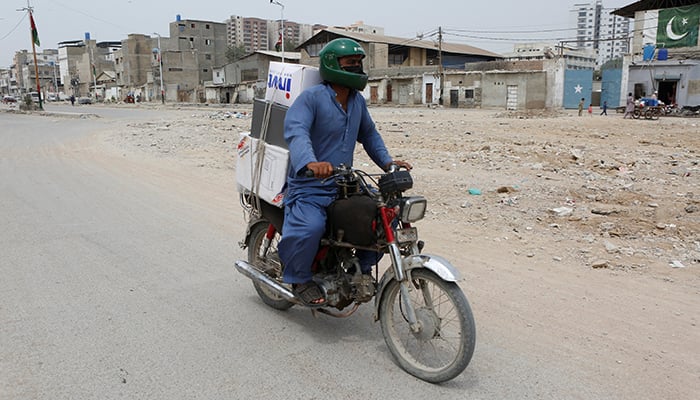
The platforms that rely on the workers say they are adjusting pricing and taking other steps to boost riders' earnings.
But workers say the measures have not kept pace with rising costs, and they are spending longer on the road.
"We cannot afford clothes or shoes," said Hizbullah, a 26-year-old delivery rider.
For many drivers a usually joyous holiday has turned into a painful calculation on just how many hours they will have to work to enjoy any celebration at all.