Subsidising people, not prices
For the first time in Pakistan’s history, a govt raised fuel prices and protected the poor in the same announcement
Published April 03, 2026
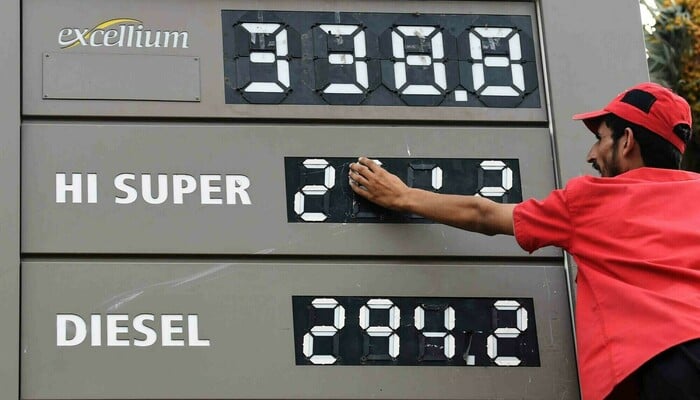
Last night, the Government of Pakistan did something it has never done before. It raised fuel prices and simultaneously announced targeted relief.
Petrol: up Rs 137.24 per litre. Diesel: up Rs 184.49 per litre. And in the same breath: motorcycle riders — Rs 100 per litre discount on 20 litres per month. Small farmers — Rs 1,500 during harvest. Intercity buses and goods transport — Rs 100 per litre.
Freight trucks — Rs 70,000 to Rs 80,000 per month. Passenger buses — up to Rs 100,000 per month.
For the first time in Pakistan’s history, a government raised fuel prices and protected the poor in the same announcement.
This announcement — taken together — is the most sophisticated fuel policy response Pakistan has produced in a generation. For the first time, prices have been moved substantially toward market-clearing levels. For the first time, a targeted differentiated subsidy for motorcycle riders has been announced simultaneously. For the first time, additional relief for trucks, buses, and farmers has been included. And for the first time, the government has explicitly acknowledged that blanket subsidies are regressive.
For the record, every single one of the above elements was absent from every previous Pakistani fuel policy announcement.
One serious problem remains. The delivery mechanism is undefined. A QR code at the pump is rationing — with a digital face. Cash in a mobile wallet is liberation. The difference is not technical. It is the difference between a bribe-prone pump attendant as gatekeeper and a poor motorcycle rider as sovereign. Get the delivery mechanism wrong and the entire scheme collapses — not with a bang but with a thousand quiet corruptions at twelve thousand petrol pumps across Pakistan.
Red alert: The motorcycle rider is not fully protected — he is partially cushioned. Better than nothing. Significantly better. Here is what the government did not say last night. The US Energy Information Administration projects oil returning to $70 per barrel once the Strait of Hormuz reopens — which means Pakistan’s OGRA formula price falls back to approximately Rs350 to Rs380 per litre. Tonight’s Rs458 petrol may be temporary.
In 2022, Pakistan tried blanket fuel subsidies. The result: Rs 100 billion in fiscal losses, a near-default, and inflation peaking at 38 percent — the highest in Pakistan’s history. Tonight’s targeted approach is the correct lesson learned from that catastrophe, but only if the delivery mechanism is right.
One word is missing from last night’s announcement: IMF. This matters because Pakistan’s current programme requires cost-reflective fuel pricing — which tonight’s hike delivers. But it also requires that targeted relief be classified as social protection expenditure, not as a fuel price subsidy. A cash transfer to motorcycle owners via BISP and mobile wallets is IMF-compatible.
A pump-level discount that suppresses the effective price is not. For the first time, the Government of Pakistan has subsidised people, not prices. The price increase was right. The targeted relief was right. The undefined delivery mechanism is dangerous. The government has found the right destination. It has not yet committed to staying there.
Originally published in The News