Sindh enforces early closures of markets, hotels amid Mideast-driven fuel crisis
All wedding halls and banquets shall operate between 8pm to 12 midnight, states notification
Published April 10, 2026
- Sindh’s measures come days after Centre’s announcement.
- Markets in the divisional headquarters to close by 9pm.
- Restrictions come into effect immediately, says notification.
KARACHI: The Sindh government has enforced new operating hours for markets, restaurants and wedding halls across the province with immediate effect, as part of its austerity policy aimed at conserving fuel amid the ongoing Middle East conflict.
Sindh’s move comes after the federal government announced the closure of markets and shopping malls in all provinces except Sindh at 8 pm from April 7.
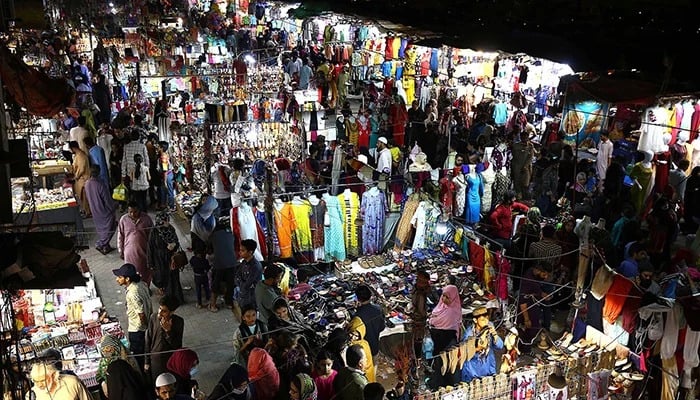
According to a notification from the Home Department, all shops, markets and shopping malls in districts other than divisional headquarters will close at 8pm throughout the week, including weekends. In divisional headquarters, these businesses will be allowed to operate until 9pm.
However, essential services have been exempted from the order, including standalone tandoors, milk and dairy shops, bakeries, medical stores and pharmacies, as well as medical laboratories, clinics, hospitals and fuel pumps.
The notification further states that hotels, restaurants and other food outlets will be allowed to operate only during dinner hours, from 7pm to 11:30pm. There will be no restrictions on home delivery or takeaway services.
Marriage halls and banquet facilities have also been assigned specific timings and will be permitted to operate between 8pm and 12 midnight.
The government has directed commissioners and deputy commissioners, with the support of Sindh Police, to ensure strict implementation of these measures in their respective jurisdictions.
Pakistan, which relies heavily on imported oil, has been significantly impacted by the energy crisis triggered by the US-Israel war on Iran, as global supply disruptions and rising prices strain the economy.
In response, federal and provincial governments have announced austerity measures alongside targeted and general fuel subsidies to cushion the impact of the crisis on consumers and stabilise the economy.
While Iranian and US delegations are expected to arrive in Islamabad, oil prices continue to climb amid heightened tensions. Experts warn that even if the US-Israel war on Iran ends now, it will take time for not only fuel but also food and other commodity prices to ease.