Aurangzeb to lead panel on OMCs' Rs72bn windfall profits
Committee will review cross-subsidy mechanism and possible recovery from oil marketing companies
Published May 26, 2026
- PM forms high-powered committee.
- Rs72bn recovery under consideration.
- PDC regimes face transparency concerns.
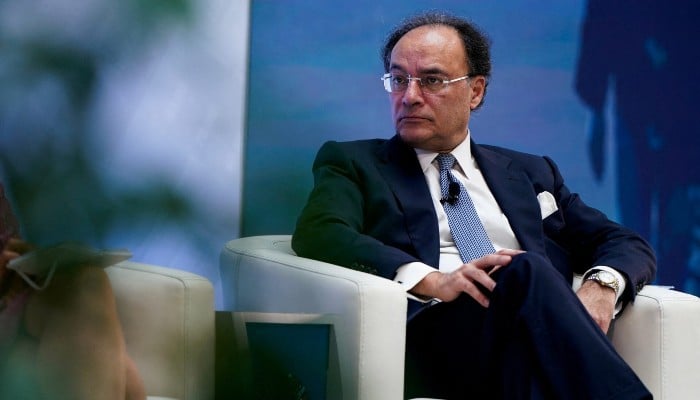
ISLAMABAD: Prime Minister Shehbaz Sharif has formed a high-powered committee ahead of the upcoming budget to review the cross-subsidy mechanism and examine the possible recovery of Rs72 billion in alleged windfall profits earned by Oil Marketing Companies (OMCs) following fluctuations in global oil prices after the Gulf War, The News reported.
Finance Minister Muhammad Aurangzeb will head the committee, while the ministers for economic affairs, planning and law will serve as members. Former bureaucrat Musharraf Rasul has been appointed chief technical adviser, and the additional secretary budget will also be part of the body.
The committee has been authorised to include additional technical experts and officials if required. The committee will also review major fiscal and economic issues linked to the federal budget 2026-27, including expenditure rationalisation, development spending priorities, energy sector reforms, and implementation of rightsizing measures across ministries and divisions.
The sources said the petroleum sector's Price Differential Claims (PDC) regimes in 2022 and 2026 remain controversial due to serious concerns regarding transparency, calculation methodology, inventory treatment, and fiscal impact.
In 2022, the petroleum subsidy and related PDC exposure were estimated in the range of approximately Rs100-150 billion or more, while in 2026, weekly PDC liabilities alone reportedly ranged between Rs23 billion to Rs48 billion, with per-litre claims reportedly reaching approximately Rs77.98 per litre on petrol and Rs176.41 per litre on high-speed diesel.
It is widely alleged that PDC reimbursements were made without properly excluding existing petroleum stocks imported at lower prices, resulting in potential overcompensation to the OMCs and other market participants.
Concerns were also raised that excessive imports were allowed during subsidy periods, allegedly enabling larger PDC recoveries and creating incentives for abnormal stock accumulation and speculative inventory behaviour.
These practices reportedly aggravated Pakistan's external financing and foreign exchange pressures by increasing import outflows during periods of severe macroeconomic fragility. Simultaneously, the country suffered substantial fiscal losses through reduced petroleum levy collections, direct subsidy exposure, and growing quasi-fiscal liabilities.
Questions further emerged regarding the integrity of the calculation mechanisms, audit observations, and verification procedures used for determining compensable volumes and amounts. The controversy deepened due to reports of internal regulatory disagreement over the accuracy of the figures being approved.
It is understood that in 2022, the then Member (Gas) did not concur with the numbers and amounts calculated by the chairman; however, the disbursements were nevertheless processed despite such reservations.
In 2026, the controversy intensified further because large PDC payments reportedly coexisted with historically high petroleum levies and elevated IFEM charges, creating a contradictory pricing structure where consumers continued paying exceptionally high fuel taxes while substantial public reimbursements were simultaneously being made to the supply chain.
According to the sources, the issue therefore evolved beyond a mere subsidy mechanism and raised broader concerns relating to regulatory governance, accountability, institutional transparency, fiscal management, audit integrity, and the credibility of petroleum pricing administration in Pakistan.