JD Vance becomes 7th US vice president to visit Pakistan: List of past American presidents and VPs
Vance becomes the first US vice president to visit Pakistan since Joe Biden in 2011
Published April 11, 2026
The much-awaited negotiations, which Prime Minister Shehbaz Sharif dubbed as "make-or-break" talks, between the United States and Iran are set to begin in Islamabad, in a Pakistan-brokered bid to turn a fragile two-week ceasefire into a lasting end to a war.
The negotiations follow a two-week ceasefire announced by US President Donald Trump after six weeks of conflict, halting US and Israeli airstrikes on Iran.
However, significant disagreements persist, with both sides accusing each other of failing to fully implement the truce, while tensions continue over the Strait of Hormuz and ongoing hostilities involving Israel and Iran-backed Hezbollah in Lebanon.
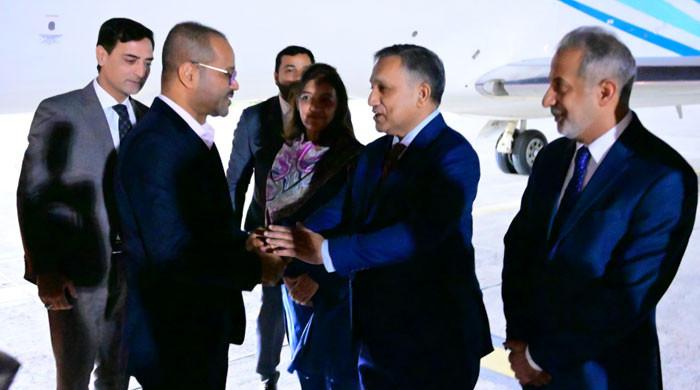
Meanwhile, a delegation led by Iranian Parliament Speaker Mohammad Baqer Ghalibaf arrived in Islamabad early Saturday ahead of negotiations. The high-powered delegation also includes Iranian Foreign Minister Abbas Araghchi.
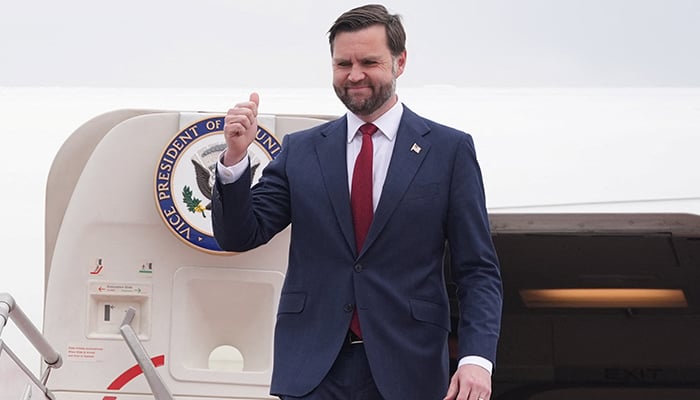
Separately, the 50th US Vice President, JD Vance, arrived in the federal capital on Saturday (today) along with other negotiators, Steve Witkoff and Jared Kushner, to cool down the fire in the Middle East.
Vance becomes the first US vice president to visit Pakistan since Joe Biden in 2011.
Visits by US vice presidents to Pakistan have been rare, often taking place during critical geopolitical moments. Vance is only the seventh US vice president to travel to the country in over seven decades, underscoring the importance Washington attaches to the ongoing diplomacy.
Here are the US vice presidents who visited Pakistan:
Richard Nixon (1956)
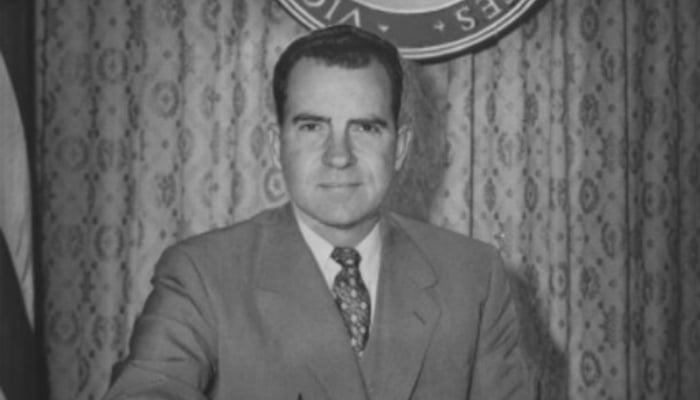
VP Richard Nixon visited Karachi on July 9, 1956, where he met then-President Iskandar Mirza during an early phase of Pakistan-US relations.
Lyndon B Johnson (1961)
VP Lyndon B Johnson travelled to Karachi on a goodwill mission on behalf of President Kennedy and met President Ayub Khan. His visit became notable for his interaction with a local camel cart driver, Bashir Sarban, whom he later invited to the United States as an official guest.
Hubert Humphrey (1966)
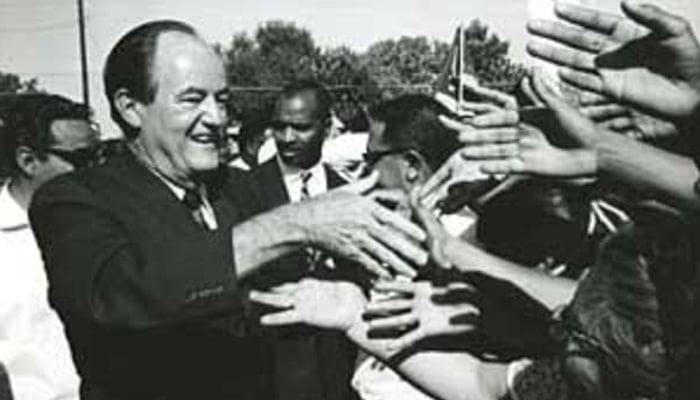
The then US Vice President Hubert Humphrey visited in February 1966. He met President Ayub Khan in Karachi.
George W Bush (1984)
In May 1984, the then-Vice President, George W Bush Senior, met General Ziaul Haq in Murree.
According to the "United Press International," Bush was there to deliver a letter from President Ronald Reagan, the contents of which were undisclosed.
Dick Cheney (2007)
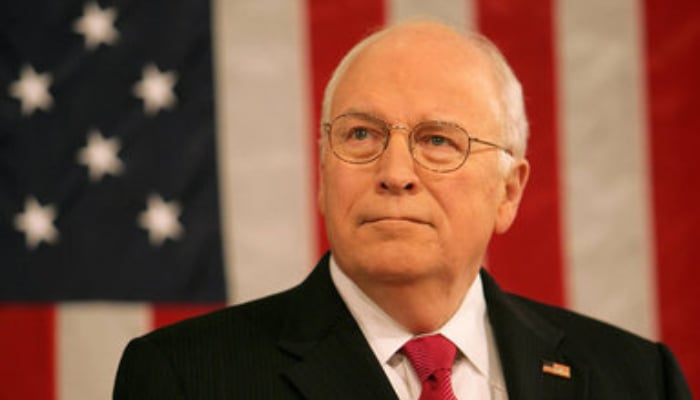
Dick Cheney made an unannounced visit on February 26, 2007, holding talks with General Pervez Musharraf amid security and regional concerns.
Joe Biden (2011)
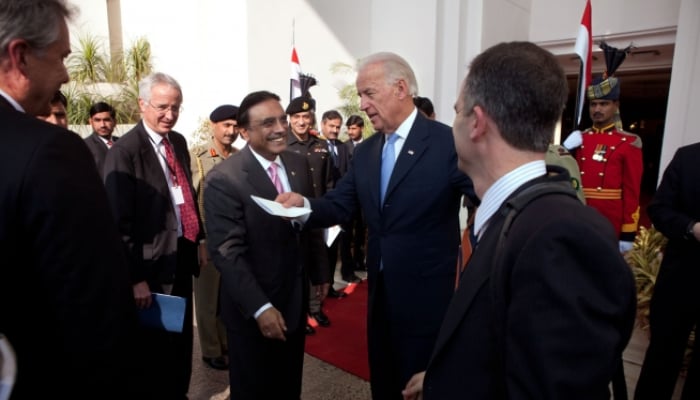
Arrived in Islamabad on January 12, 2011, for a brief but high-level visit, meeting President Asif Ali Zardari and Prime Minister Yousaf Raza Gilani.
In February 2008, Biden was a member of the delegation that toured Pakistan to observe the elections held in February. He was then the Chairman of Senate’s Committee on Foreign Relations.
Here are the US presidents who visited Pakistan:
Dwight D Eisenhower (1959)
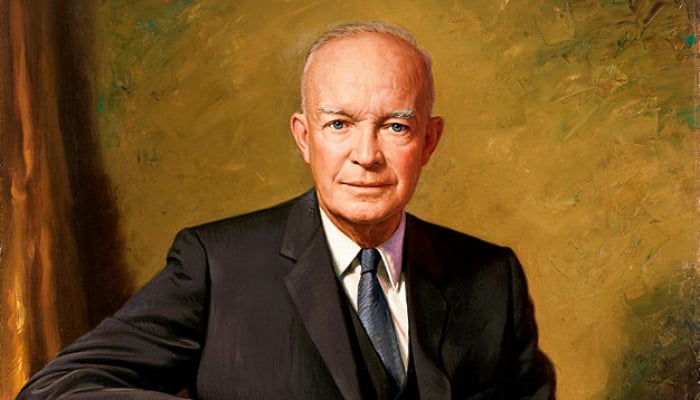
Dwight D Eisenhower was the first US president to visit Pakistan in 1959. He was received by President Ayub Khan in Karachi, where large crowds gathered to welcome his motorcade.
Lyndon B Johnson (1967)
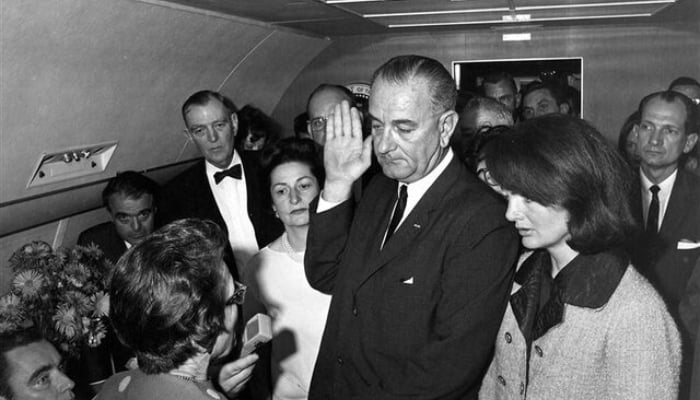
Johnson made a brief stopover on December 23, 1967, during his presidency.
Richard Nixon (1969)
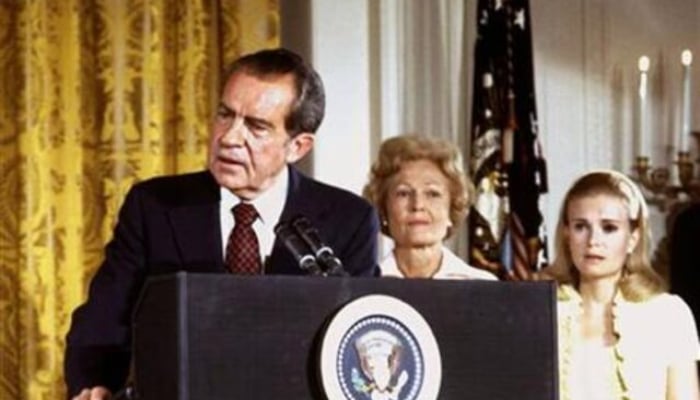
Nixon visited Lahore on August 1 and August 01, 1969, and met President Yahya Khan.
Bill Clinton (2000)
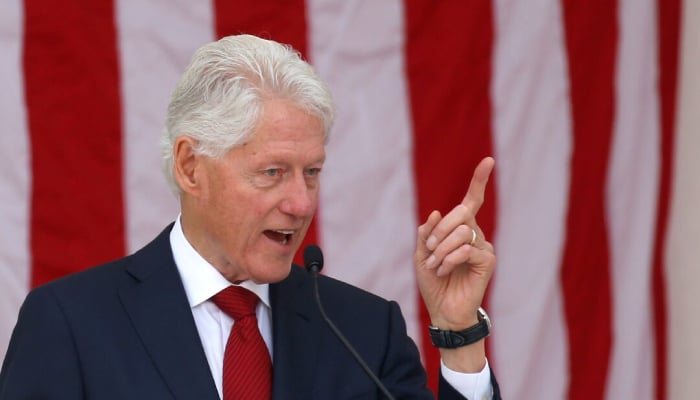
Bill Clinton undertook a short visit on March 25, holding meetings with President Rafiq Tarar and General Musharraf.
George W Bush (2006)
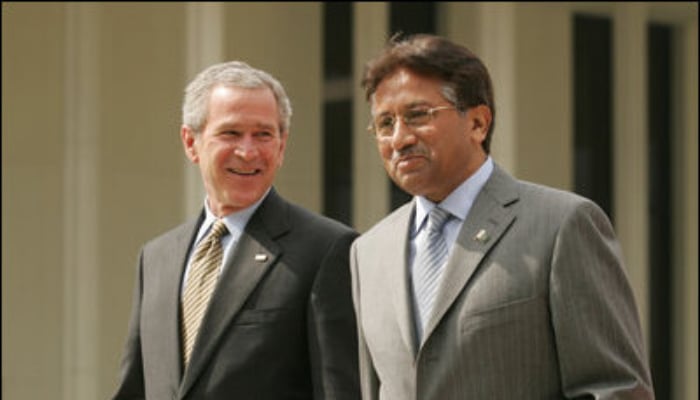
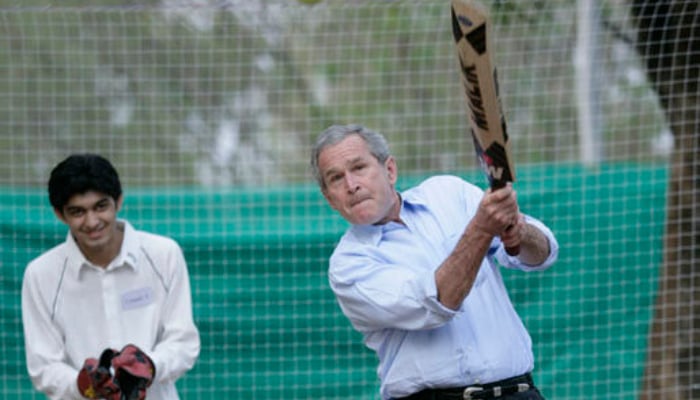
George W Bush travelled to Pakistan on March 3-4, meeting then-president General Pervez Musharraf and engaging in public diplomacy events, including a cricket interaction with local players.