Amazon signs $11.57bn deal for satellite firm Globalstar to challenge Musk's Starlink
Amazon plans to deploy 3,200 low-Earth orbit satellites by 2029 deadline
Published April 14, 2026
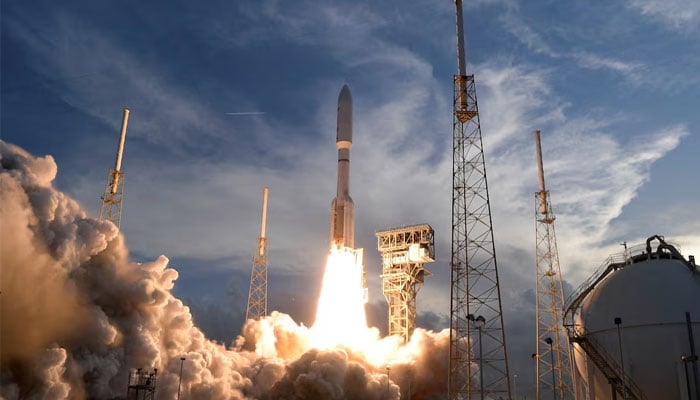
- Globalstar shares surge over 9% in premarket trading.
- Amazon gains access to network of two dozen satellites.
- Acquisition expected to close next year pending approvals.
Amazon.com said on Tuesday it would acquire Globalstar in an $11.57 billion deal, bolstering its fledgling satellite business as it looks to take on Elon Musk-led bigger rival Starlink.
Shares of satellite company Globalstar were up more than 9% in premarket trading, after gaining over 6% in the past two weeks following media reports of the companies' discussions. The stock had nearly doubled in value last year and has risen about 12% so far this year, before news of an acquisition emerged. Amazon shares rose about 1% on Tuesday.
The deal gives Amazon access to Globalstar's network of two dozen satellites, boosting the tech giant's ambitions to challenge SpaceX unit Starlink, which currently has about 10,000 units in orbit.
Under the deal, the satellite firm's shareholders can elect to receive either $90 in cash or 0.3210 shares of Amazon common stock for each share of Globalstar they own, the companies said.
Amazon has been working to ramp up its network by deploying about 3,200 satellites in Earth's low orbit by 2029, with roughly half required to be in place by a July 2026 regulatory deadline.
The company currently operates a network of more than 200 satellites and is preparing to roll out its satellite internet services later this year.
In contrast, Elon Musk's Starlink — the dominant satellite-based internet service provider — already serves more than nine million users globally.
Covington, Louisiana-based Globalstar, popular as the service that powers Apple's "Emergency SOS" feature, operates about two dozen satellites in low-Earth orbit. Late last year, it said a new, Apple-backed network under development would expand that to 54 satellites, including a small number of backups.
Globalstar offers voice, data, and asset-tracking services to customers across the enterprise, government and consumer markets.
In a parallel move, Amazon and Apple — which has invested some $1.5 billion in Globalstar — have signed an agreement to continue powering the satellite-based safety features, such as Emergency SOS and Find My, for iPhone and Apple Watch users.
The acquisition is expected to close next year, subject to regulatory approvals and achievement of specific satellite deployment milestones by Globalstar.