'Injection culture, weak enforcement fuelling HIV outbreaks in Pakistan'
"Recent HIV outbreaks among children have highlighted critical gaps in healthcare delivery," says expert
Published April 20, 2026
- HIV spreads beyond high-risk groups.
- Deaths linked to HIV surge by over 500%
- Only 21% of HIV cases diagnosed nationwide.
Infectious diseases experts have warned that Pakistan's HIV epidemic is no longer confined to traditional high-risk groups, with about 39% of infections now found among non-key, low-risk populations, including women and children, while virus-related deaths have risen by more than 500% over the past decade, The News reported.
Speaking at a press conference at the Karachi Press Club on Saturday, experts from the Medical Microbiology & Infectious Diseases Society of Pakistan said unsafe injections, contaminated blood transfusions and weak infection control in healthcare settings were fuelling a dangerous and largely preventable rise in HIV cases.
Citing figures presented in a detailed white paper, they said the number of people living with HIV in Pakistan had increased 4.3 times since 2010, reaching an estimated 350,000 by 2024.
More alarmingly, AIDS-related deaths have risen 6.4-fold, increasing from around 2,200 annually to nearly 14,000 deaths, reflecting a rise of over 500% due to late diagnosis and poor treatment coverage.
"The HIV outbreak situation in Karachi hospitals demonstrates that safe injections and safe blood are urgently needed," said Dr Samreen Sarfaraz, infectious diseases consultant at the Indus Hospital & Health Services.
"Recent HIV outbreaks among children have highlighted critical gaps in healthcare delivery. The current crisis traces directly to unsafe blood and unsafe injections." Quoting World Health Organisation (WHO) data, she said that new HIV infections in Pakistan have increased by nearly 200%, rising from about 16,000 in 2010 to around 48,000 in 2024. Pakistan now accounts for nearly 55% of HIV cases in the WHO Eastern Mediterranean Region, she added.
Experts said that the epidemic, once concentrated among high-risk groups, is now increasingly spreading into the general population through unsafe medical practices, unregulated healthcare services and poorly screened blood transfusions.
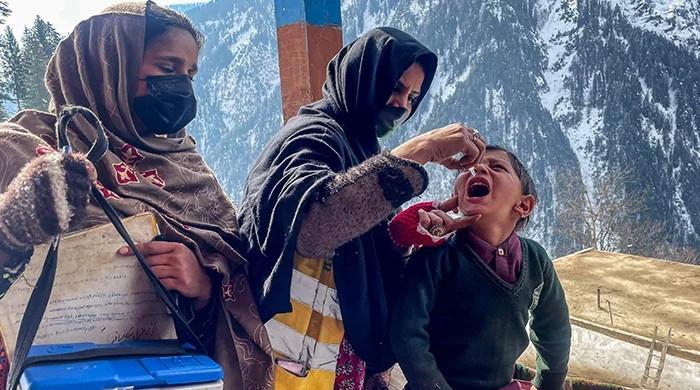
Pakistan remains among the countries with the highest rates of therapeutic injections, with individuals receiving between eight and nearly 14 injections annually. Surveys indicate that syringe reuse by healthcare providers and unsafe practices by unregulated clinics and informal practitioners remain widespread.
They said that this "injection culture", coupled with weak enforcement, has repeatedly triggered outbreaks. The 2019 Ratodero outbreak infected over 1,000 children, most of whom had received injections prior to diagnosis, while their mothers tested negative, confirming healthcare-associated transmission.
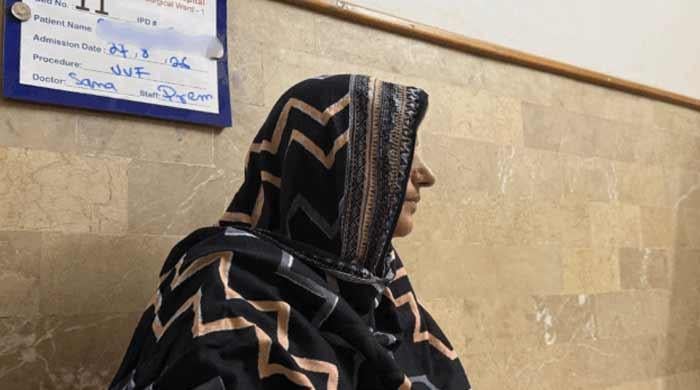
More recent clusters have shown the same pattern, including a 31-case outbreak linked to a dialysis unit in Multan and infections among children in Karachi's SITE Area, raising concerns about ongoing transmission within healthcare facilities.
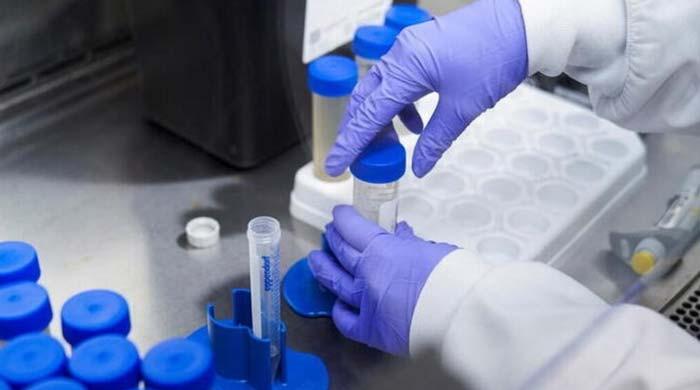
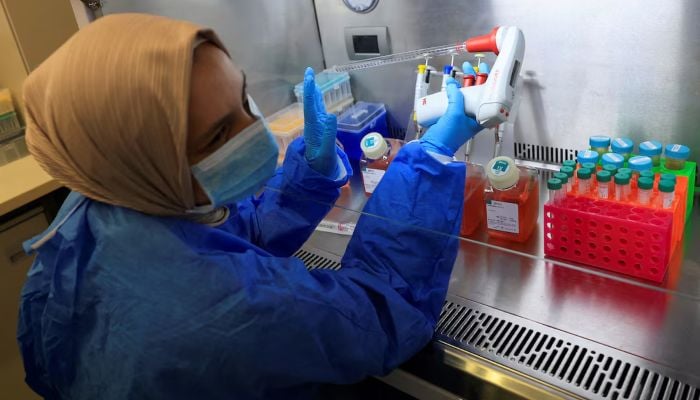
Despite the growing burden, only about 21% of the people living with HIV in Pakistan have been diagnosed, and just 16% are receiving treatment, leaving a large pool of undetected infections.
Dr Asma Nasim, professor and head of infectious diseases at the Sindh Institute of Urology & Transplantation, warned that basic lapses in infection control are enabling the spread of multiple pathogens within hospitals. "Breaches in infection control practices are creating dangerous conditions for vulnerable populations."
Other experts also highlighted unsafe blood transfusion practices, particularly at poorly regulated private blood banks, as a major contributor to the spread of HIV, hepatitis B and hepatitis C.
They also warned of a concurrent mpox situation affecting neonates and young children, with early indications of hospital-acquired transmission. "Mpox outbreak among children and neonates presents an urgent crisis requiring immediate action," said Dr Fatima Mir, professor of paediatric infectious diseases at the Aga Khan University Hospital.
The National Institute of Cardiovascular Diseases' Dr Farheen Ali said that some patients had no travel history, indicating possible community transmission, while Dr Naseem Salahuddin termed the parallel outbreaks of HIV and mpox a reflection of serious gaps in infection control, calling for the immediate enforcement of safe injection practices, universal blood screening and stricter regulation of healthcare facilities.