Energy costs this year to hit highest since Ukraine invasion: World Bank
Commodity costs overall expected to spike by 16% in 2026, driven by fallout from the war and metals prices
Published April 28, 2026
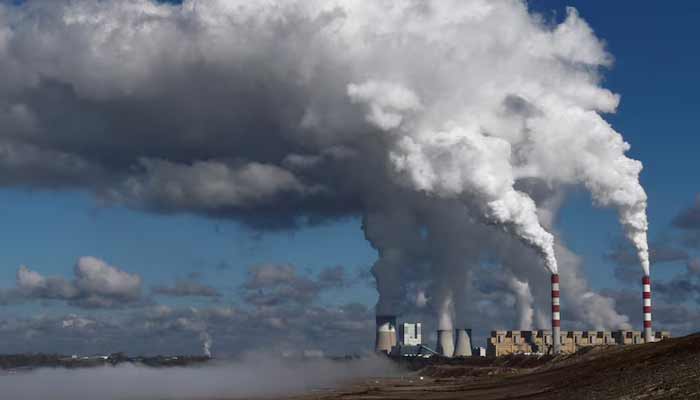
- Energy costs likely to surge up to 24%: WB.
- War severely hit global economies: economist.
- WB says metal cost expected to hit all-time highs.
The World Bank said on Tuesday that war in the Middle East is expected to push energy costs this year to their highest since Russia's full-scale invasion of Ukraine, while fertiliser affordability also plunges.
"The war is hitting the global economy in cumulative waves: first through higher energy prices, then higher food prices, and finally, higher inflation," said World Bank chief economist Indermit Gill, as the organisation releases its latest commodity markets outlook.
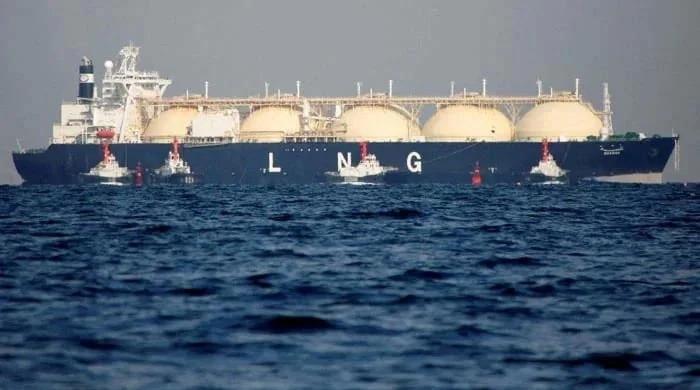
Energy costs have rocketed after US-Israeli strikes targeting Iran from February 28. Tehran retaliated by virtually blocking the Strait of Hormuz, a key waterway through which a fifth of global oil and liquefied natural gas normally transits.
Its near-total closure has hit global supplies of other important commodities, including fertilisers.
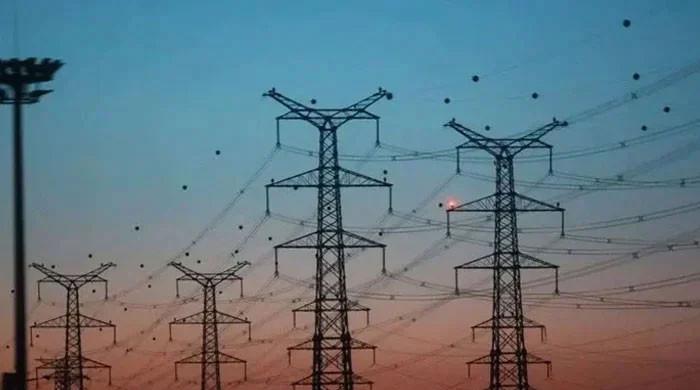
Energy costs are projected to make a 24% surge this year, hitting their highest level since Russia’s 2022 invasion of Ukraine, the World Bank said Tuesday.
Meanwhile, fertiliser costs are set to jump by 31% this year due to a 60% surge in urea prices — dragging fertiliser affordability to its worst since 2022 as well.
This bites into farmers' incomes and threatens crop yields, the World Bank said.
Commodity costs overall are expected to spike by 16% in 2026, driven by fallout from the war and metals prices.
The cost of base metals like aluminum, copper and tin are anticipated to hit all-time highs on the back of demand from industries like data centers and electric vehicles, the bank said.
Oil prices have come off recent peaks, but still remain significantly higher than before the Middle East war.
Brent oil prices are around 50% above pre-war costs, while US benchmark West Texas Intermediate is similarly more than 40% higher.
Even if the harshest disruptions end in May and shipping through the Strait of Hormuz recovers by late-2026, Brent oil is forecast to average $86 a barrel this year, up from $69 a barrel in 2025, the World Bank said.
Higher inflation is likely to push up interest rates, making debt more expensive, Gill added in a statement.
"The poorest people, who spend the highest share of their income on food and fuels, will be hit the hardest, as will developing economies already struggling under heavy debt burdens," he said.