Crude stabilises after US-Iran flare-up rocked peace hopes
Markets remain cautious after US revoked Iran's oil sanctions waiver and Washington strikes on Tehran
Published July 09, 2026
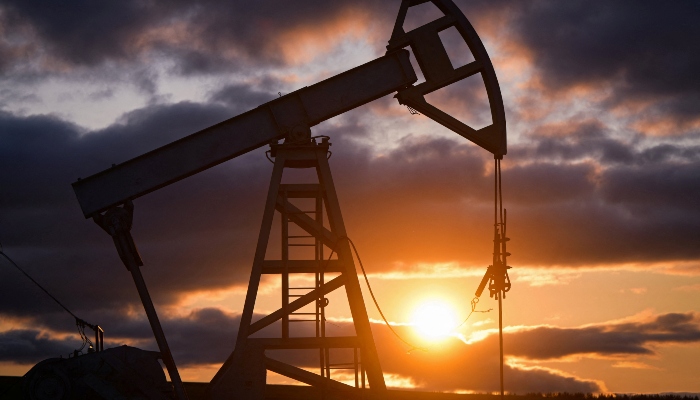
- Trump orders fresh strikes against Iran.
- Washington revokes temporary Iran sanctions waiver.
- Markets monitor Strait of Hormuz tensions.
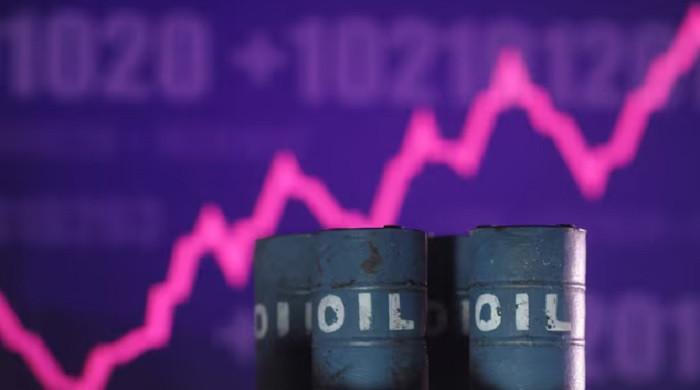
Oil prices dipped Thursday after the previous day's surge as Donald Trump said the US ceasefire with Iran was over and ordered fresh strikes against the country following attacks on ships in the Strait of Hormuz.
Equity markets mostly rose as tech firms saw a touch of bargain-buying, with Seoul and Tokyo enjoying healthy gains in early trade.
Crude soared Wednesday when the US president — in response to tit-for-tat attacks in the region already taking place — said the fragile truce between the foes was over.
Washington also revoked a temporary sanctions waiver for Iranian oil.
Both main contracts soared around eight percent Wednesday, with Brent topping $80 a barrel for the first time in two weeks, fanning fresh fears of a spike in inflation and a hit to the economy.
Trump ordered new strikes Wednesday and warned of "much worse" if Tehran continues to attack vessels in the strait, through which a fifth of world oil usually passes.
"This is in retribution for yesterday's bombing of ships by Iran," he said in a post on Truth Social.
However, the US president said earlier that he expected the latest military flare-up to end quickly and left the door open to more talks.
He also claimed Tehran had "called a little while ago" and that the Iranians wanted "to make a deal so badly", but did not provide further details of the call — including who was on the line.
He then went on to cast doubt over the value of any deal, calling the Iranians "sort of crazy".
"Trump's remarks set sparks flying — the comments underscored fears that we could see further escalation and a return to pre-MOU conditions," said Neil Wilson at Saxo Markets, referring to the memorandum of understanding that paved the way for peace talks.
However, he added: "For what it's worth, I don't think this is the base case as A) Trump is wont to throw around threats and B) both sides need to return to a kind of hazy pre-war 'normality'.
"But it clearly seems the risk of a total breakdown in negotiations has increased and markets are reflecting this fresh dynamic."
Both main contracts spiked more than one percent Thursday morning but erased those gains as the day wore on, though investors are staying vigilant for any further flare-up.
Stock markets were largely higher though sentiment remained subdued as the latest pickup in geopolitical tensions comes after an extended period of selling in the tech sector fuelled by worries over extended valuations and when AI investments will see returns.
Seoul — the poster child of Asia's AI-led tech boom this year — briefly added nearly two percent before paring back, but it remains susceptible to another selloff. The Kospi has tanked more than 20 percent from its record high touched on June 19.
Tokyo added more than one percent, while Shanghai, Singapore, Wellington, Mumbai, Bangkok and Jakarta also advanced.
There were losses in Hong Kong, Sydney, Taipei and Manila.
London, Paris and Frankfurt rose in early trade.
Attention will later Thursday be on South Korean chip titan SK hynix, whose US listing was more than seven times oversubscribed ahead of its planned debut on Friday.
The firm is expected to announce the pricing for its American Depository Receipts and observers suggest it could raise as much as $28 billion from the sale.
The firm's Seoul-listed shares were up almost seven percent Thursday, though since hitting its record high last month it has lost more than 30 percent as it was at the forefront of the latest tech rout.