What is pentobarbital injection? What happens if you survive this
Christa Pike survived two doses of lethal injection
Published October 01, 2026
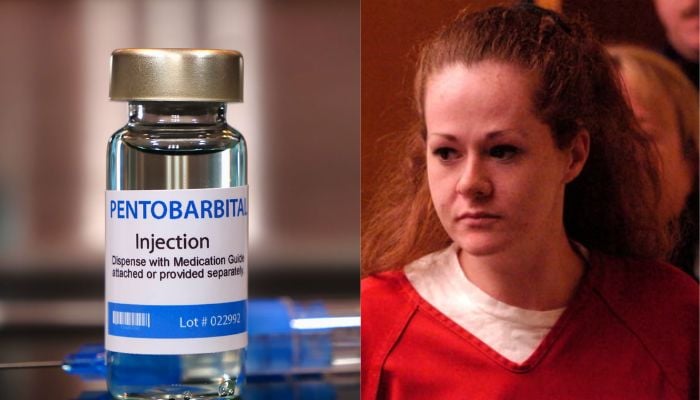
Pentobarbital injection, commonly referred to by the brand name Nembutal, is a short-acting barbiturate used in controlled medical settings.
It helps to treat emergency seizures such as status epilepticus, induces sedation before procedures, and helps manage acute insomnia. In veterinary medicine, higher-concentration doses are used as a humane euthanasia agent.
The drug is strictly administered via intravenous or intramuscular injection by trained professionals in hospitals or clinics. It carries serious risks and can cause respiratory depression, apnea, and hypotension. When given a dose, the body experiences drowsiness, dizziness, confusion, headache, and nausea.
What happens if you survive lethal injection?
If a person survives a lethal injection, they do not go free. Surviving an execution attempt does not trigger a pardon or release, and double jeopardy does not apply because the sentence remains valid. The inmate stays in state custody under armed guard.
Medical staff immediately check for a heartbeat and breathing, disconnect IV lines, and transport the inmate to a civilian hospital. Prison medical teams shift from carrying out the sentence to providing emergency care. Defense attorneys file emergency motions to prevent further pain, and governors often halt remaining executions pending investigations.
What did Christa Pike do to be executed?
This scenario occurred on September 30, 2026, when Tennessee failed to execute Christa Pike after two doses of pentobarbital.
Pike was convicted of the 1995 first-degree murder of Colleen Slemmer, a classmate at the University of Tennessee, and sentenced to death in 1996. She was also convicted of attempted first-degree murder in 2001 for trying to strangle a fellow inmate.
Pike survived the lethal injection, remained awake and snoring, and was hospitalized. Governor Bill Lee ordered a third-party review and halted executions for the year.