IMF denies intentions of asking Pakistan to raise taxes on salaries
"There are no plans at this time," says IMF's Resident Representative in Pakistan Esther Perez Ruiz
Published December 15, 2023
- IMF reportedly asked govt to cut number of tax slabs for salaried, business class.
- IMF lent Pakistan $1.2 billion as first tranche in July to avert debt default.
- Pakistan faced acute balance of payment crisis before IMF bailout plan.
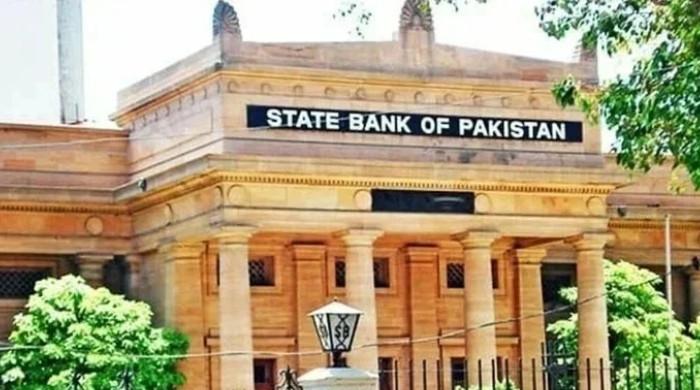
KARACHI: The International Monetary Fund (IMF) has denied media reports that the lending body is planning to ask Pakistan to increase taxes on salaries and business income, and increase the maximum threshold for petroleum levy.
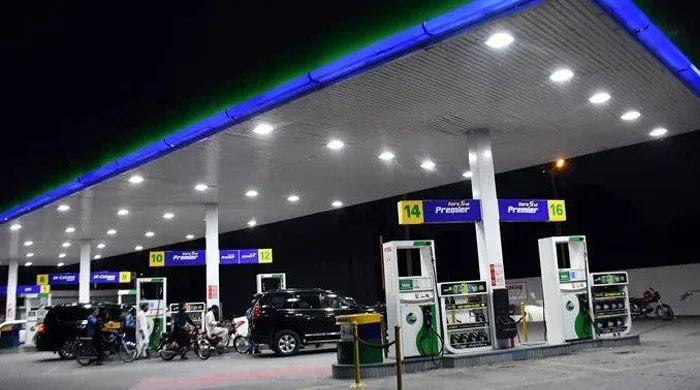
Media reports had been circulating stating that the IMF asked Pakistan to cut the number of tax slabs for the salaried and business class from the existing seven to four, increasing tax incidence on the middle and upper-middle income group. There have also been reports of an increase in the maximum petroleum development levy.
"There are no plans at this time," Esther Perez Ruiz, IMF's resident representative in Pakistan, told Reuters in an email.
The nation is operating under a caretaker government after an IMF loan programme, approved in July, helped avert a sovereign debt default.
Under the $3 billion standby arrangement (SBA), Pakistan received $1.2 billion from the IMF as the first tranche in July.
Pakistan was facing an acute balance of payment crisis, with its foreign exchange reserves diminished to barely three weeks of controlled imports, along with historically high inflation and an unprecedented currency devaluation.
Under the bailout deal, the IMF also got the country to raise $1.34 billion in new taxation to meet fiscal adjustments. The measures fuelled all time high inflation of 38% year-on-year in May, the highest in Asia, which still is hovering above 30%.