Govt raises high-octane fuel levy by Rs200 per litre
Premier Shehbaz also bans use of high-octane petrol in govt vehicles as part of austerity measures

Published March 22, 2026
- High-octane fuel levy climbs to Rs305.37 per litre after hike.
- Decision not to affect public transport, airline fares: PMO.
- Govt expects Rs9bn each month in savings from levy hike.
Prime Minister Shehbaz Sharif on Sunday approved an increase of Rs200 per litre levy on high-octane fuel used in luxury vehicles, a move expected to generate Rs9 billion in monthly savings for the government.
According to a notification issued by the Prime Minister’s Office, the levy on high octane blending component (HOBC) has been raised by Rs200 per litre, taking it to Rs305.37 per litre. Previously, the levy stood at Rs105.37 per litre.
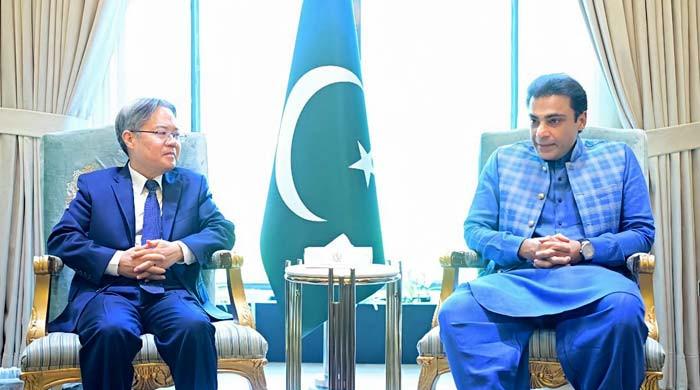
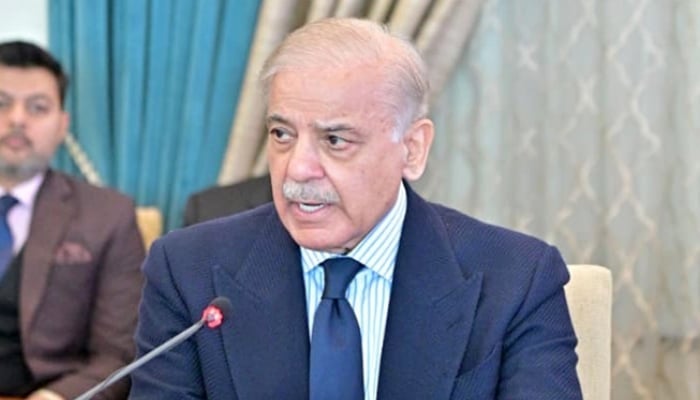
The development emerged in a meeting virtually chaired by the premier, who had taken notice of the Rs100 per litre levy on high-octane fuel, read a statement issued by the Prime Minister's Office.
During the meeting, PM Shehbaz stressed raising the high-octane fuel levy and approved an increase of Rs200 per litre, said the statement.
Following the revision, the price of HOBC has climbed to Rs535 per litre. The new rate has come into effect immediately, according to the notification.
Use of high-octane fuel in official vehicles banned
Separately, the prime minister has also imposed an immediate ban on the use of high-octane petrol in government vehicles as part of ongoing austerity measures aimed at reducing public expenditure.
In a statement, PM Shehbaz said the ban will take effect immediately and strictly prohibits the use of high-octane fuel at government expense. However, officials may use such fuel in official vehicles only if they bear the cost from their own pocket, he added.
The premier said the measure is intended to ensure efficient and responsible utilisation of national resources, adding that all federal ministries, departments, authorities and subordinate institutions have been directed to ensure full and immediate compliance.
He noted that savings generated through these steps would be utilised to provide relief to the public and help ensure the availability of affordable fuel.
Emphasising the importance of austerity, the prime minister said reducing unnecessary expenditures has become the need of the hour, and the latest step would help cut government spending while improving the use of public funds.
He further directed that an effective monitoring mechanism be put in place to oversee implementation of the decision, warning that strict action would be taken in case of any violations.
The move comes days after the government had opted to hold the petroleum levy unchanged on petrol and high-speed diesel (HSD), as global fuel markets remained under pressure due to the ongoing conflict involving the United States, Israel and Iran.
As of March 15, petrol continued to carry a levy of Rs105.37 per litre, while HSD remained at Rs55.24 per litre, with prices kept unchanged to avoid passing further burden onto consumers.
Earlier this month, the government had increased the levy on petrol by 25%, from Rs84.40 to Rs105.37 per litre, following the outbreak of hostilities in the region. This pushed the ex-depot petrol price up from Rs266.17 on March 1 to Rs321.17 per litre by March 7, with the levy accounting for nearly one-third of the total price.
In contrast, the levy on HSD was reduced from Rs76.21 to Rs55.24 per litre on March 7, although its ex-depot price rose to Rs335.86 per litre.
The government has increased the levy only on the fuel used in luxury vehicles, with no hike on fuel for ordinary or mid-range vehicles, said the statement.
It added that PM Shehbaz directed that the anticipated Rs9 billion in savings from the levy hike be used to provide relief to the public.
The statement further emphasised that fares for public transport and airlines will not be affected, and that the measure ensures the country’s wealthiest segment bears a proportionate economic burden, easing pressure on the national economy.
The decision follows a directive by PM Shehbaz, who instructed relevant ministries to draft an implementation plan for the pricing of high-octane fuel.
Finance Minister Muhammad Aurangzeb, Information Minister Attaullah Tarar, Petroleum Minister Ali Pervaiz Malik, and other senior government officials attended the meeting.
The announcement to raise the levy on high-octane fuel comes two days after the government decided to keep petrol and diesel prices unchanged.
The rates have been held steady for two weeks following a 20% hike earlier this month, prompted by global oil supply disruptions triggered by the war in the Middle East.
On March 6, the government raised petrol and diesel prices by Rs55 per litre each as global oil prices surged amid the US-Israel conflict with Iran.
Following the increase, Pakistan unveiled a wide-ranging austerity and fuel-conservation plan to mitigate the impact of rising global oil prices.