Barrick slows Reko Diq rollout as Iran war jolts region
Mine development slows as Middle East war disrupts supplies, raises costs
Published March 27, 2026
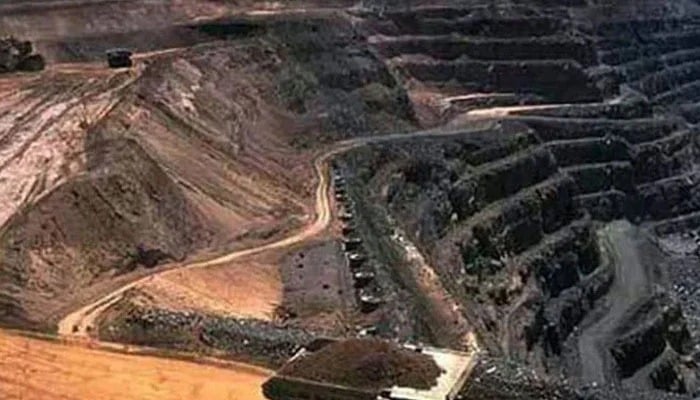
- Barrick delays Reko Diq project by 12 months.
- Security concerns rise in Balochistan province.
- First production now expected by 2029.
Barrick Mining is delaying its massive copper and gold project in Pakistan due to the Middle East war and a worsening security situation in the country, The News reported, citing Financial Times.
The move comes after the Toronto-based company launched a review of the Reko Diq project last month.
"Following the preliminary findings of the review and in light of the subsequent escalation in security issues in Pakistan and the Middle East, the company considers it necessary to further assess the potential impacts and delivery strategy," the miner told its Pakistani equity partners and the project's local operator this week in correspondence seen by the FT.
"As a result, development activity will be slowed, with a corresponding reduced project spend, for a 12-month period commencing in July," it added, while the review period and slower pace of development "will impact previously stated budgets and timelines".
Barrick declined to comment. Reko Diq could become one of the world's largest copper-gold mines, though industry experts have cautioned that it will be an expensive and challenging asset to develop.
Barrick owns 50% of the mine and controls its board, with the remaining equity split between three Pakistani state-owned enterprises and the Balochistan provincial government. Three people involved in the mine said they had been notified of Barrick's plan, which comes ahead of a project board meeting scheduled for next week to finalise the project's strategy.
The delay means first production will not begin until 2029 at the earliest, they said. Prior to the review, first production at the mine had been expected to start in 2028, a timeline its local partners privately considered ambitious. The escalating conflict in the Middle East has upended global markets, sending oil and gas prices spiralling, causing shortages of key materials and further destabilising the region.
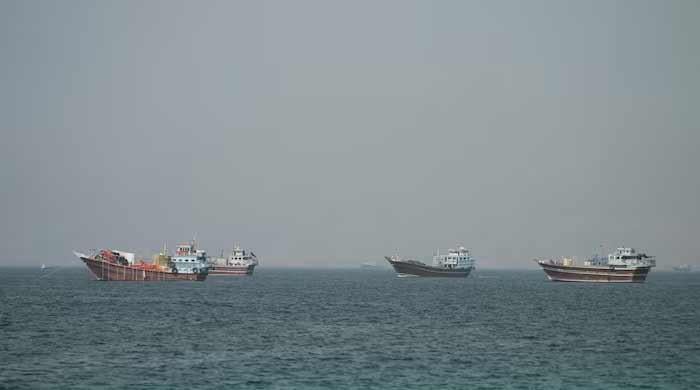
The war in Iran has made it difficult for supplies of fuel and mining equipment to reach the mine from the Gulf, and rising oil and gas prices are forcing a review of the total project spend on the $9 billion project, two of the people said.
The decision is a blow to Pakistan's plans to develop the deprived but mineral-rich Balochistan province and secure a gusher of foreign exchange to free itself of mounting public debts. The cash-strapped country has cycled through two dozen IMF bailout programmes, with the current one having started in 2024.
Barrick has estimated that the mine could generate more than $70 billion in free cash flow over 37 years. Reko Diq, which is in western Balochistan near the Afghan and Iranian borders, will produce as much as 400,000 tonnes of copper and 500,000 ounces of gold a year once both phases of the project are complete, according to Barrick.
The abrupt departure of Mark Bristow as Barrick chief executive last year has also raised doubts about the future of the project, according to people involved in the mine. Bristow was a key backer of Reko Diq and had forged close ties to Pakistan's leadership, while new CEO Mark Hill is seen as being more risk-averse.
Copper is among the critical minerals that countries around the world are racing to secure in the context of growing demand and an expected shortage of the industrial metal in the medium term.
The US Export-Import bank told the FT last year that its early deals under its new leadership would include a $1.25 billion loan for Reko Diq.
Copper is used in everything from cabling to construction and is a key material for the rapid rollout of AI data centres — but ageing mines and the difficulty of opening new ones have resulted in falling production and a frantic run up in the copper price.
Gold has also rallied dramatically over the past year, rising to a series of record highs that peaked in January at more than $5,000 a troy ounce.