IMF points to weak suspicious transaction reporting in real estate sector
Lender finds out relatively low number of STRs despite growing concerns around untaxed and illicit funds in sector
Published May 12, 2026
- FBR raids 2 key real estate societies on "concealment" of sale and income.
- IMF flags trade-based money laundering during recent third review.
- Fund raises questions on prevalence of non-performing loans in banking.
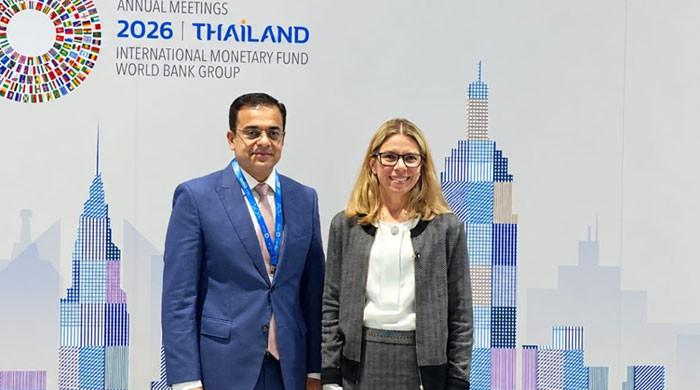
ISLAMABAD: The International Monetary Fund (IMF) has called on Pakistan to increase the reporting of suspicious transactions linked to the real estate sector, while also addressing the rising incidence of trade-based money laundering and improving the sharing of beneficial ownership information to curb misuse of legal entities, The News reported on Tuesday.
Top official sources said that the IMF had granted its assent for the release of the fourth tranche of $1.1 billion for Pakistan under the Extended Fund Facility (EFF) and found that there were quite low numbers of STRs generated by designated non-financial and business professions (DNFBPs) amid increasing perception that the untaxed and dirty money was parked in the real estate sector of the country.
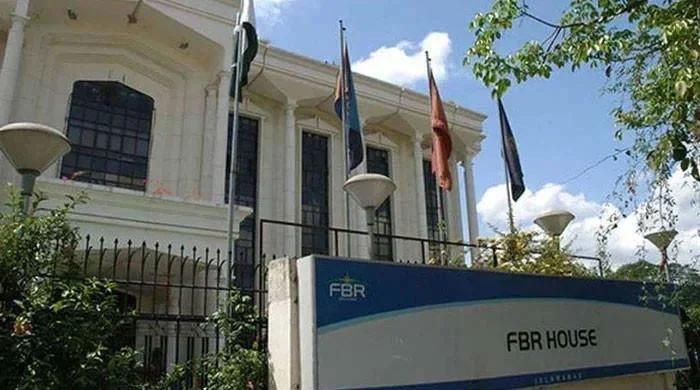
The Federal Board of Revenue (FBR) recently raided two major real estate societies on the allegation of concealment of sale and their income. It is not yet known how much proof the FBR was able to collect from these two recent raids on the real estate tycoons.
The FBR had placed the DNFBPs with the mandate to monitor the real estate sector and generate STRs on the pattern of banks, which was forwarded to the Financial Monitoring Units (FMU).
In the case of DNFBPs, the IMF found that there were quite low numbers of STRs generated by the placed institutional mechanism.
The Pakistani side shared the updated information on the National Risk Assessment (NRA) and its coordination with the National AML/CFT [Anti-Money Laundering/Combating the Financing of Terrorism] Authority.
The government is committed to enhancing the effectiveness of AML/CFT and preventive measures by designated non-financial businesses and professions (DNFPBs), and improving the accuracy of beneficial ownership (BO) information, especially on SECP’s central registry, to prevent misuse of legal entities.
On the DNFBPs sector, the sources said that the real estate agents, the Directorate General of DNFBPs, FBR, and the FMU will address the low levels of suspicious transaction reporting (STRs) through ongoing reform, a reporting framework, and requiring entities to register with the system.
The IMF also flagged the trade-based money laundering during the recent third review and parleys held with Pakistani authorities. The SBP had published a framework in August 2025 to help authorised dealers assess and monitor the TBML risks in their customers, transactions, and services.
The FMU shares financial intelligence with relevant agencies, especially leveraging proactive outreach by customs. Going forward, it has been agreed between the IMF and Pakistani authorities that both sides will enhance interagency data sharing on forex reporting, import payments, and customs data to tackle the risks of TBML at all levels.
The IMF also raised questions on the prevalence of non-performing loans (NPLs) in the banking sector. The commercial banks have shared their plans for the stocks and flow of NPLs as the ratio of NPLs declined to 6.1% by the end of 2025.
The State Bank of Pakistan (SBP) assured the IMF that it would continue monitoring the banks and would report the execution of plans to reduce the stocks of NPLs to strengthen the health and performance of the banking sector.
The IMF was told that one private sector bank was identified as undercapitalised in March 2025, and the SBP applied a multi-step recapitalisation plan and is now fully compliant. The SBP will ensure that all banks maintain sufficient capital buffers and take prompt supervisory action to address any banks that may become undercapitalised.