No delegations this week, but hope persists on the western front
Region stands at a delicate crossroads, with the possibility of dialogue still alive, even as the risks of escalation remain ever-present
Published March 27, 2026
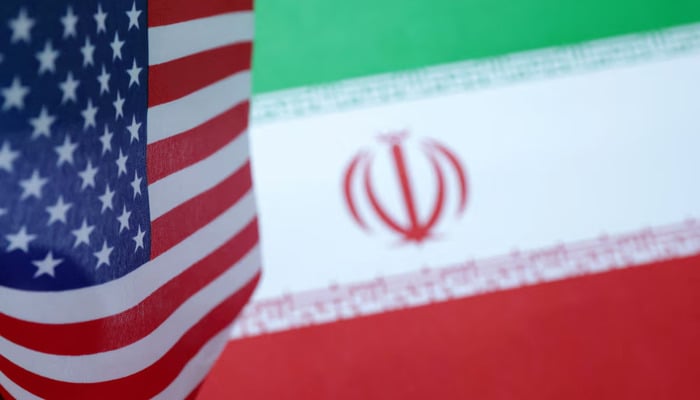
KARACHI: With both the US and Iran now having publicly outlined their positions, the groundwork for meaningful dialogue appears to be taking shape. However, the absence of formal delegations this week highlights the complexity of the moment rather than a collapse in diplomacy.
The internal dynamics within Iran remain a major constraint. Following the assassinations of Ali Khamenei and Ali Larijani, the political environment has become deeply volatile. In such circumstances, any public engagement with American negotiators would carry significant personal and political risks, particularly from hardline factions within the country.
Before open and formal negotiations can begin, both sides must agree on meaningful confidence-building measures (CBMs). For Washington, incremental steps such as a short-term ‘partial ‘ceasefire or removing select Iranian officials from target lists are unlikely to suffice. Even US President Trump has acknowledged that Iranian officials fear being targeted if they enter into direct talks, a concern that appears well-founded. Reports suggest he has even cautioned Israeli PM Benjamin Netanyahu against actions that could undermine potential diplomacy.
From Tehran’s perspective, negotiators such as Abbas Araqchi would require a more substantial gesture — most notably, a complete ceasefire lasting at least 48-72 hours. Such a move could provide them with the political cover needed to engage internal hardliners. Even then, selling the idea domestically would remain difficult, given that many in Iran do not believe they initiated the conflict or are in a weakened position, contrary to claims from Washington.
Complicating matters further is the role of the Islamic Revolutionary Guard Corps (IRGC), which, according to regional experts, is currently unwilling to engage in dialogue. With no single figure wielding the authority once held by Khamenei, managing the IRGC’s influence has become increasingly challenging.
On the American side, negotiators such as Steve Witkoff and Jared Kushner are likely to prioritise a different form of CBM: a public acknowledgement from Iran that talks are underway. Such recognition would carry significant symbolic value in Washington, particularly given Trump’s emphasis on visible diplomatic wins. And something that satisfied his ego. A statement from Araqchi confirming engagement could potentially pave the way for an extension of the current ‘partial ceasefire’ by a week or more.
While Iran’s firm stance has not come as a surprise, it has created challenges for Pakistan, which has emerged as a key intermediary in the crisis. The country’s leadership, including COAS-CDF Field Marshal Asim Munir, PM Shehbaz Sharif, FM Ishaq Dar and the ISI DG has taken on a high-stakes diplomatic role in efforts to de-escalate tensions.
While Field Marshal Munir has reportedly maintained close contact with all stakeholders, especially the White House, Prime Minister Sharif and Foreign Minister Dar have focused on keeping the Gulf Cooperation Council (GCC) countries aligned. However, not all regional actors are comfortable with Pakistan’s prominent role. Even among allies, differing national interests make consensus difficult.
Recent conversations between Prime Minister Sharif and Saudi Crown Prince Mohammed bin Salman, as well as the Emir of Qatar, have been as crucial as ongoing communication between Pakistan’s military leadership and President Trump.
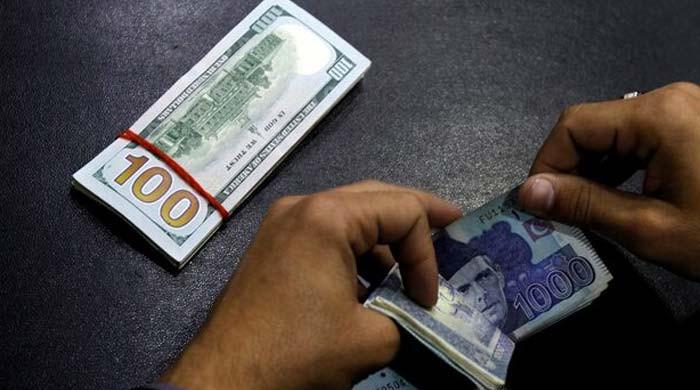
Pakistan’s position is further complicated by its economic vulnerabilities. Financial dependencies on the Gulf states, particularly the United Arab Emirates, present real risks. The potential withdrawal of approximately $3.5 billion in deposits, set to mature in April, could strain Pakistan’s economy and jeopardise its commitments to the IMF. Despite this, some policymakers argue that Pakistan’s role in promoting regional peace outweighs short-term financial concerns. Support from Saudi Arabia has, so far, provided a degree of reassurance. Therefore, despite public positioning by both sides yesterday, Pakistan continued to play its role of the key interlocutor — and late-night interactions may result in some positive outcome today or tomorrow.
At a broader level, uncertainty persists over the intentions of major powers. Analysts caution that the US may not be acting as a unified entity, with competing power centres in Washington sometimes creating mixed signals. Pressure from Israeli leadership could also still alter the trajectory of events.
Concerns have also been raised following remarks by Iranian politician Mohammad Bagher Ghalibaf, who referenced reports suggesting that some regional players are advocating for an amphibious assault on Kharg Island. Observers warn that such a move would represent a dangerous escalation.
For now, there is cautious optimism that the US will avoid on-ground direct military engagement inside Iran. Instead, the en route Airborne division may be sent to Iraq, where Iran-backed militias have already targeted US bases and interests.
In essence, both Washington and Tehran are positioning themselves to negotiate from a place of strength. Yet without substantive CBMs, progress will remain limited. While no delegations are expected this week, even modest steps such as a ceasefire extension by the US and public acknowledgement of talks by Iran could create space for diplomacy to regain momentum.
For now, the region stands at a delicate crossroads, with the possibility of dialogue still alive, even as the risks of escalation remain ever-present.
The writer is the managing director of Geo News.
Originally published in The News