Pakistan's diplomatic influence
US-Iran truce seen as example of sustained diplomacy shaping geopolitical outcomes
Published April 10, 2026
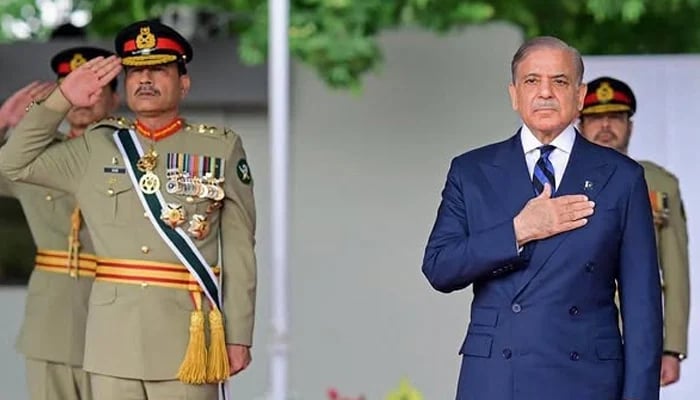
In an increasingly polarised global order, middle powers often find themselves overshadowed in high-stakes conflicts. Yet recent developments surrounding the US-Iran ceasefire bring to the fore Pakistan's role as a mediator.
Among major powers in both the East and the West, it was Islamabad that rose to the occasion and exercised its strategic influence. This was achieved through calibrated diplomacy and effective adaptation to the evolving situation.
The truce between Washington and Tehran, once considered an impossibility, also serves as a case study in how geopolitical positioning and sustained engagement can shape outcomes.
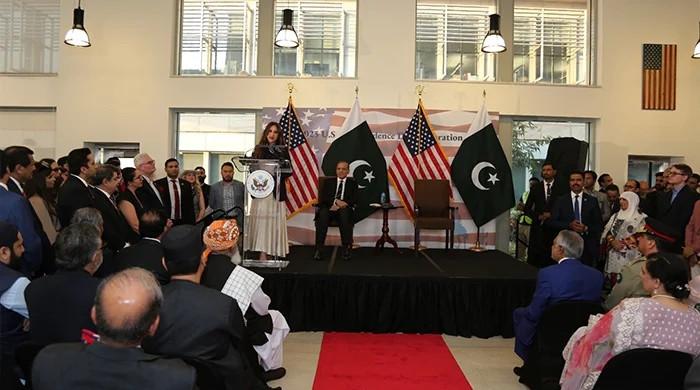
Pakistan’s involvement may seem surprising. It does not hold the status of a global superpower, nor was it a direct party to the conflict. However, this assumption overlooks an important dimension of geopolitics: access. Pakistan occupies a unique diplomatic position, maintaining working relationships with both the US and Iran — two countries that lack direct formal engagement.
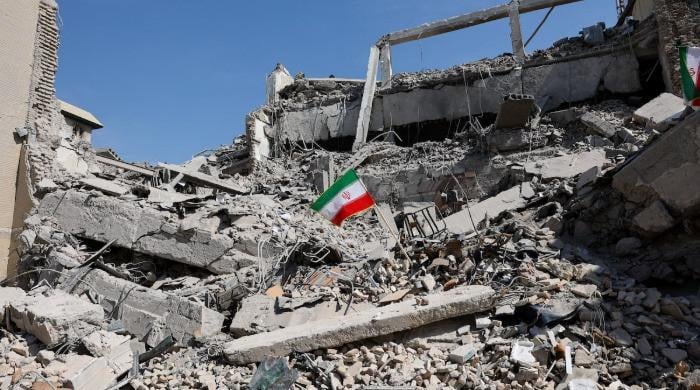
This dual access enabled Islamabad to function as a bridge at a time when conventional diplomatic channels could not be utilised. The ceasefire emerged after weeks of escalating violence, with significant human and economic costs across the region. Energy routes were threatened, regional stability weakened and the risk of a broader conflict loomed over the region.
In such a situation, urgency alone does not ensure peace; it requires a credible intermediary that can engage all sides without creating distrust. Pakistan’s approach proved central in this regard.
Pakistan’s actions were also driven by its own interests. The country depends heavily on imported energy shipped by sea, making it vulnerable to regional instability. A prolonged conflict could have severely impacted its economy.
Rising fuel prices, supply disruptions, and economic pressure were immediate concerns. Therefore, Pakistan’s mediation efforts were not only about promoting peace but also about safeguarding its own stability and security.
Another layer of Pakistan’s effectiveness lies in its ability to operate across multiple diplomatic tracks simultaneously. Civilian leadership engaged with global capitals to build consensus for de-escalation, while military leadership maintained parallel channels with key stakeholders, particularly in Washington.
This dual-track diplomacy may be criticised for blurring institutional boundaries, but in crisis situations, it can enhance responsiveness and expand leverage. In this case, it proved effective.
Equally significant was Pakistan’s engagement with regional countries. By involving states such as Saudi Arabia, Turkiye, and others in dialogue, Islamabad helped create a diplomatic environment conducive to a ceasefire.
Despite this progress, the ceasefire remains fragile and its sustainability is far from guaranteed. A temporary truce does not resolve the underlying conflict; it merely creates space for negotiation while reducing immediate tensions.
Whether Pakistan can transition from a facilitator of ceasefire to an enabler of a lasting agreement remains to be seen and will depend on its ability to maintain trust while navigating competing interests.
Pakistan’s role in the ceasefire highlights an important geopolitical insight: influence is not solely a function of power, but of positioning, timing and strategy.
In today’s politically charged world, where direct talks between rival countries are difficult, those able to communicate with both sides become increasingly important.
Pakistan has played this role effectively, but whether this represents short-term success or a lasting shift in its global position will depend on what happens next.
The writer is a freelance columnist and an author.
Disclaimer: The viewpoints expressed in this piece are the writer's own and don't necessarily reflect Geo.tv's editorial policy.
Originally published in The News