Protecting dreams from visa fraud
Using fake documents or relying on illegitimate offers is not a shortcut – it is fraud
Published June 14, 2026
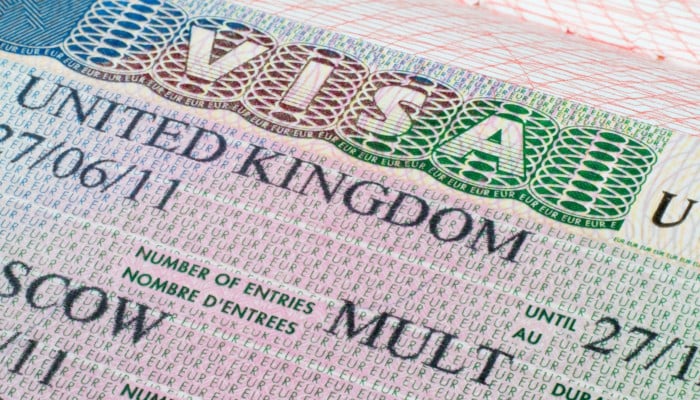
Across Pakistan, families spend millions of rupees in pursuit of a better future for their children. They scour their savings, sell land and sometimes even part with their homes to send a son or daughter abroad.
For many, the United Kingdom remains a natural destination, linked to Pakistan by history, family ties, and a long tradition of education, enterprise and exchange. In the year ending March 2026, the UK issued over 130,000 visas to Pakistani nationals. That figure reflects the strength of the connection between our two countries and the many Pakistanis who continue to choose the UK to study, work and visit family. We must ensure that credibility and reputable applications are built back into the visa system to ensure this cooperation and strong links are maintained.
That relationship is precisely why we must speak plainly. When families are investing millions of rupees, selling assets and placing their hopes in the future of a child, visa abuse is not a minor deception – it is a cruel betrayal. The overwhelming majority of Pakistanis apply in good faith and follow the rules. But dishonest agents and criminal networks exploit trust, prey on ambition and profit from desperation.
Too many families are being trapped by false promises: a guaranteed visa, a job that does not exist, or a college placement that turns out to be fake. Arriving without the right visa, genuine documents or a legitimate offer can leave people stranded, exploited and in serious difficulty. It can mean losing life savings, facing refusal and discovering too late that there is no job, no course and no support waiting. Using fake documents or relying on illegitimate offers is not a shortcut – it is fraud, and the consequences can be severe, including visa refusal, bans on future applications, financial loss and lasting damage to a person's plans and credibility. No agent can guarantee a UK visa; if fraud is detected, individuals suffer, with their immigration records affected for many years or even indefinitely. Decisions are made on evidence, eligibility and the rules – not on promises or payment.
For young people, the stakes are especially high. When a promise proves false, the loss is not only financial; it can leave deep disappointment, damaged trust and lives knocked off course. It can lead to embarrassment: an unwillingness to tell a parent that they are not able to live the life that was promised. To a parent, ashamed to tell her neighbours that her son or daughter, who left with so much promise, is barely surviving on a zero-hour contract. That is why early verification, stronger enforcement and clear public information matter so much. They help protect ambition, prevent exploitation and give genuine applicants confidence in a process they can trust.
Pakistan continues to see high outward migration, and for many families, the risks are real. People who place their trust in the wrong agent can lose everything: years of savings wiped out, land sold, jewellery pawned, debts taken on and family plans left in ruins. Irregularly migrating to the UK also prevents visits or trips to see loved ones back home, for fear of not being able to return. In the UK, applicants who use false documents or engage in deception can face refusal, cancellation of permission and lasting consequences for future applications.
The UK remains a highly desirable destination for Pakistani students, and those who come through legitimate routes contribute enormously to academic life in the UK. They go on to build careers, partnerships and people-to-people links that benefit both our countries. Protecting legitimate routes, therefore, matters not only for those applicants but for the wider relationship between the UK and Pakistan.
The advice is simple: stop, check and verify before you pay, apply or share personal information. For genuine students, that means using official UK government sources and confirming that an institution, employer or adviser is legitimate. But there is also a harder truth. Some people are being encouraged to use the student route not to study, but as a backdoor to settlement, on the false assurance that once they reach the UK, everything else can be sorted later. That is fraud, and it carries serious consequences. Be cautious of anyone promising guaranteed outcomes, special access or an easy route around the rules. The safest path is always the lawful one, supported by accurate information and direct verification.
Addressing visa fraud also requires partnership – between the UK and Pakistan, between institutions and communities, and between government, education providers and the media. Important steps have already been taken in Pakistan. Prime Minister Sharif's notification to establish an interministerial committee on student exploitation brings together an impressive array of expert stakeholders to ensure we address the issue and protect genuine students at all levels. Lead contributors include the Higher Education Commission, the Federal Investigation Agency, the Ministry of Interior and the Ministry of Law and Justice – this whole-of-system approach is generating comprehensive change at pace.
Recent enforcement action by the FIA against human trafficking and visa fraud, alongside stronger detection at airports and closer risk profiling, reflects a strong commitment to protecting vulnerable people and supporting lawful travel. Criminal facilitators have been left unchecked for too long, and greater system controls and penalties are being aligned between UK and Pakistani law-enforcement agencies.
There is scope to go further through stronger implementation of existing regulations, better oversight of agents and intermediaries, faster action against false advertising and forged documents and wider public awareness so people know how to verify claims before parting with money or personal data. We know the Government of Pakistan shares this ambition: to protect vulnerable people, uphold lawful mobility and ensure that genuine applicants are not undermined by fraud.
There has been no change in the UK's policy of welcoming genuine students, workers and visitors from Pakistan who meet the requirements and use the correct routes. For generations, Pakistanis have enriched life in the UK through their study, work, enterprise and family connections, and those links continue to matter deeply. By working together to challenge false promises and promote informed choices, we can help ensure that lawful opportunities remain open, trusted and protected.
The writer is the British high commissioner to Pakistan.
Disclaimer: The viewpoints expressed in this piece are the writer's own and don't necessarily reflect Geo.tv's editorial policy.
Originally published in The News