Questions emerge over possible joint control of Strait of Hormuz
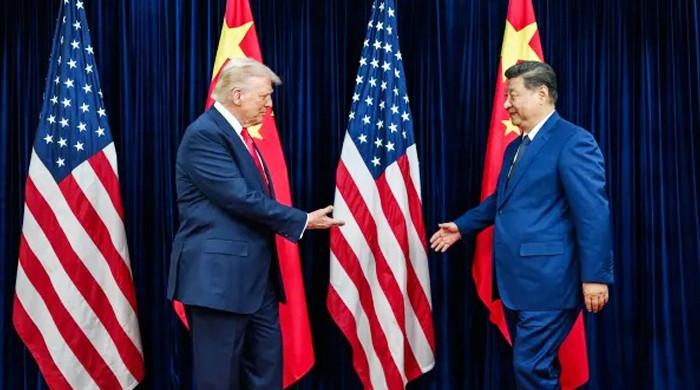
Could Washington and Tehran jointly take control of the Strait of Hormuz and collect tolls from passing ships?
Published April 17, 2026
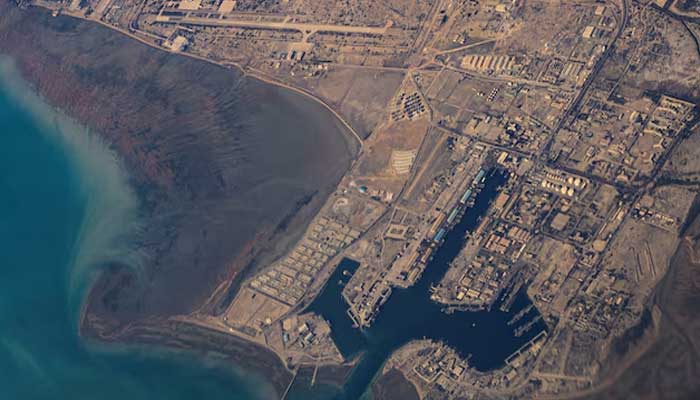
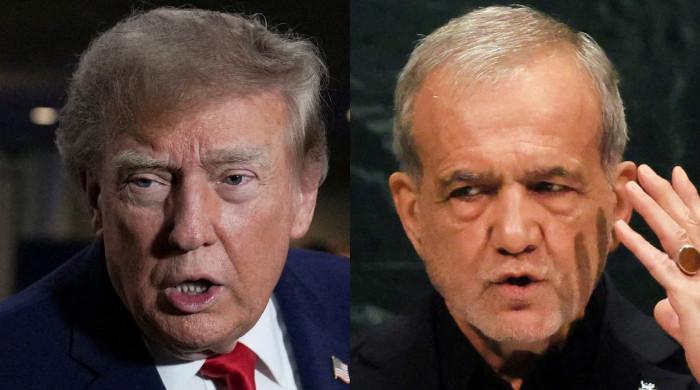
DALLAS: Negotiations between the United States and Iran are moving towards a final deal. Trump, while talking to the media on Thursday, has also hinted at visiting Pakistan in case of a final deal. The debate in the US political circles regarding the deal has intensified as to whether, after the success of the possible negotiations, Washington and Tehran will jointly take control of the Strait of Hormuz in the future, and whether they will jointly collect tolls from the ships passing through it. This question is not limited to an economic or maritime route but is linked to the balance of global power, energy politics and the geographical importance of the region.
In this regard, former US president Bill Clinton, while talking about this in a recent programme on his YouTube channel “Clarity Brief”, expressed his concern that the US will now establish a toll collection system with a country that it has been calling its enemy for decades? Clinton uses this platform to inform his members about US politics and policymaking, while his recent comments also give the impression that discussions are underway between the US and Iran on the toll at some level behind the scenes. Clinton criticised this potential strategy in this programme, calling it a controversial and unconventional step.
The question that is now emerging in policy discussions in Washington’s strategic circles and forums is whether both the US and Iran will impose tolls on ships passing through this water that carries about 20% of the world’s oil, and on which the economies of continents depend.
Caution is also necessary here because the nature of this question is such that carelessness obscures clarity. No formal agreement has yet emerged in this regard, and no policy has been decided. What exists is only a series of signals.
Therefore, keeping all aspects in mind, an important question is also emerging: can Pakistan be given any role by the US in this potential system? Because sources say that Iran has strong objections and does not want to include the United States, these things are being repeated that Iran, Oman and Pakistan can obtain this control in this regard on the advice of the US, from which they will also pay a part of the income to America.
On the other hand, if the dots are connected, then an old statement by Donald Trump takes on special importance in this regard, in which he said: “We have just concluded a deal with the country of Pakistan… Who knows, maybe they’ll be selling oil to India someday!”
The phrase that Pakistan could supply oil to India in the future is a reference to something that Trump may have hinted at in advance, and that Trump was making this statement with foresight. Meanwhile, those who have known President Trump for years say that Trump's policy is to try to provide economic and strategic benefits to his loyalists and allies, so, given the current situation, it can be assumed that he may include Pakistan in this deal to play a role in this regard.
Therefore, the possibility is growing that Washington may bring Islamabad forward for some practical responsibility in this regard. It is also a fact that due to the recent war situation, Trump is facing political pressure and popularity problems in the United States, and in such a situation, Trump wants to impress the American people with this deal that he has taken a bigger deal than former president Obama, which also includes a major source of income for the United States.
On the other hand, European countries, which are heavily dependent on energy transit through the Strait of Hormuz, could be directly affected by this potential development. That is why they are holding separate meetings to carefully assess the situation and try to assess the impact of any new system.
Taken together, all these factors reinforce the impression that if a new model emerges, it could involve several regional and global players. However, it is important to note that until a formal agreement or policy is in place, all these analyses will remain in the realm of speculation. However, Bill Clinton’s mention of the toll issue certainly indicates that serious and potentially decisive discussions on this topic are underway between the United States and Iran.
On the other hand, if Pakistan somehow gains something for itself in this deal, then Pakistan's involvement can not only increase its importance in the region, but it can also be seen as a major political and diplomatic success in the future for the current political leadership, Prime Minister Shahbaz Sharif, and the military leadership, Field Marshal Asim Munir.