Budget 2026-27: Kayani assures businessmen of growth-oriented policymaking
State minister for finance meets business leaders at KCCI, FPCCI to incorporate industry input into budget
Published April 18, 2026
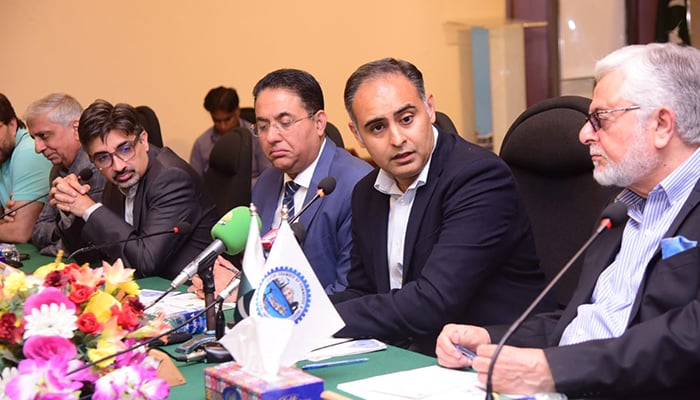
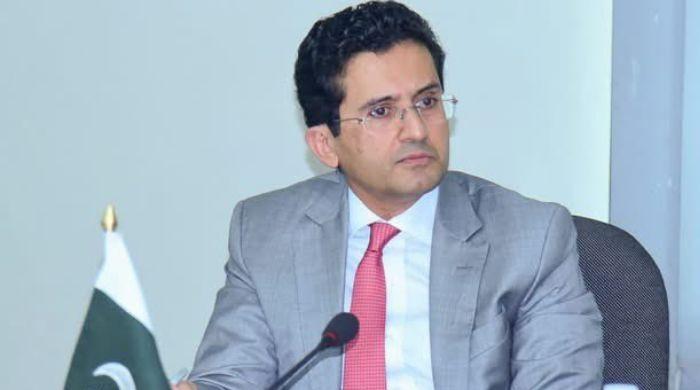
Minister of State for Finance Bilal Azhar Kayani held consultative sessions with business leaders, exporters and industry representatives at the Karachi Chamber of Commerce and Industry (KCCI) and the Federation of Pakistan Chambers of Commerce and Industry (FPCCI), reaffirming the government’s commitment to inclusive, growth-oriented policymaking ahead of the federal budget 2026-27.
During a meeting at the KCCI, the minister noted that Karachi remains the "heart of Pakistan's business and economic activity," and emphasised that such consultations are central to shaping national fiscal priorities.
He noted that the government, under the leadership of Prime Minister Shehbaz Sharif, along with Finance Minister Muhammad Aurangzeb, is actively engaging stakeholders across the country.
He said the purpose of these engagements is to incorporate feedback from exporters, traders, and industry representatives into budget formulation. He added that these consultations are being conducted on the direct instructions of the prime minister to ensure a "whole-of-economy" approach to policymaking.
He highlighted that since February 2024, Pakistan has witnessed measurable macroeconomic stabilisation. He noted improvements in inflation control, tax collection performance, and external account stability.
He stated that Pakistan has successfully navigated key stages of its programme with the International Monetary Fund (IMF), with two major review levels cleared, contributing to improved foreign exchange reserves and overall economic confidence.
He also acknowledged past structural challenges, particularly cyclical "boom-and-bust" patterns driven by import-led growth without sufficient export expansion. The minister stressed that breaking this recurring cycle remains a top priority of the government. He emphasised that sustainable economic expansion must be driven by exports, productivity, and industrial competitiveness.
He referenced recent government initiatives such as the "Exporters' Recognition Awards," where top exporters were acknowledged, describing it as part of a broader strategy to prioritise export growth as a national economic pillar. He further reiterated that the government's focus is on sustainable and inclusive growth, ensuring that economic benefits are distributed across all segments of society.
The minister informed participants that the prime minister has constituted nine working groups comprising experts and stakeholders from different sectors to develop targeted policy recommendations for long-term economic growth. He said these groups are aimed at improving coordination between government and industry and addressing structural bottlenecks in key sectors of the economy.
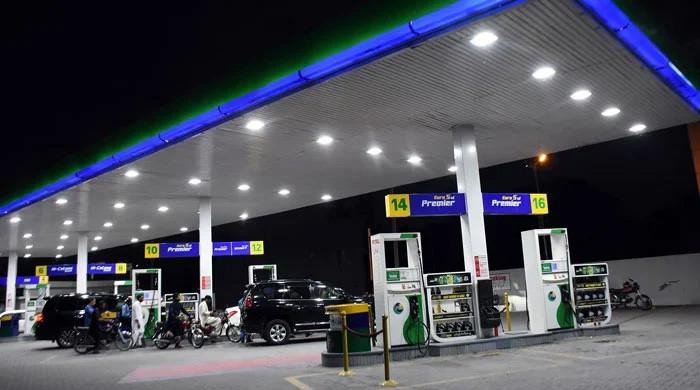
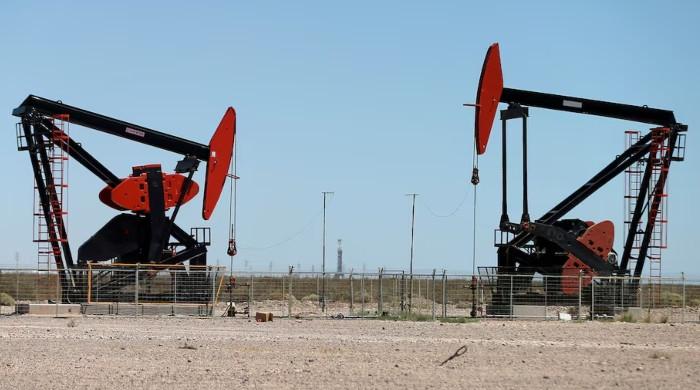
Addressing energy pricing, the minister explained that petroleum prices in Pakistan are reviewed in line with global oil market trends. He noted that when international prices declined, the government ensured that reductions were passed on to consumers.
He added that at various stages, the government also absorbed part of the burden through fiscal adjustments and targeted subsidies, particularly for vulnerable segments of society.
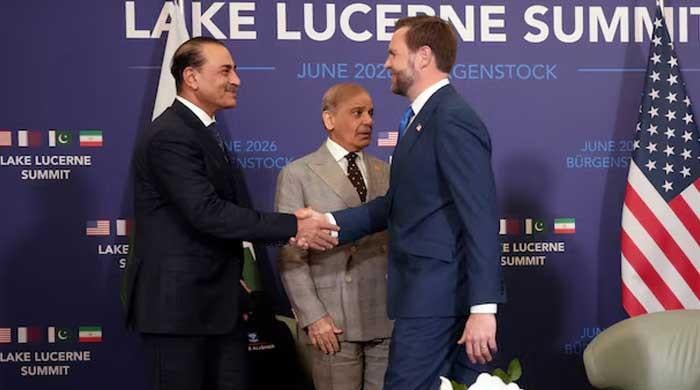
The minister also referred to Pakistan's broader foreign policy role in regional stability efforts. He acknowledged the contributions of both the civilian leadership and the military leadership in supporting peace and stability in the region. He stated that the government has simultaneously managed the economic spillovers of regional tensions while maintaining focus on domestic economic stabilisation.
Following the minister's address, exporters presented a set of proposals, for consideration in the upcoming Finance Bill 2026-2027.
Kayani, in response, assured the exporters that their proposals would be given full consideration in the budget formulation process. He emphasized that it would not be appropriate to pre-announce budgetary measures before formal presentation, but reiterated that the purpose of the engagement was precisely to hear such concerns and incorporate them into policymaking.
'Vital pillar of economy'
Meanwhile, Kayani — during consultative session at the Federation of Pakistan Chambers of Commerce and Industry (FPCCI) — underscored the government’s unwavering dedication to fostering a collaborative partnership with the private sector to drive national prosperity.
Highlighting the business community as a vital pillar of Pakistan’s economy, the minister celebrated their instrumental contributions to tax revenue, employment generation, and industrial expansion.
Emphasising a culture of sustained engagement, he confirmed that the government is actively integrating stakeholder feedback into its budgetary planning for the upcoming fiscal year, ensuring that policy priorities are closely aligned with the needs of productive sectors.
He highlighted the government’s strategic success in stabilising the macroeconomic environment over the past two years, which has established a robust foundation for future tax rationalisation and meaningful relief measures. Bolstered by improved fiscal discipline, the government continues to navigate global economic volatility, exemplified by its proactive efforts to shield citizens and businesses from sudden energy price spikes.