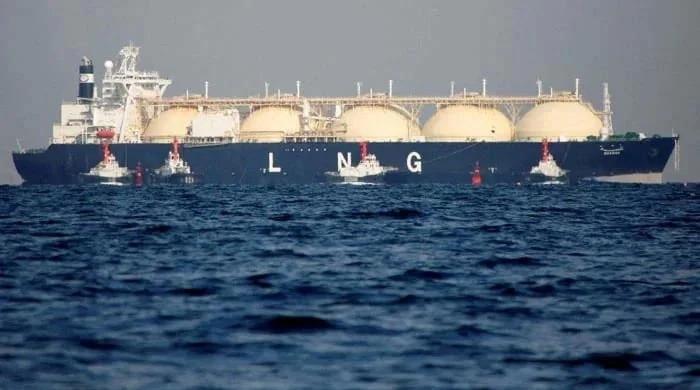
LNG cargo set for April 30 arrival through Seapeak Magellan
Govt buys single LNG cargo at $18.4/mmbtu to ease rising power shortages
Published April 26, 2026
- Volume insufficient for full-capacity RLNG power generation.
- Two higher-priced May cargoes rejected by authorities.
- Future imports hinge on Strait of Hormuz situation.
ISLAMABAD: TotalEnergies will dispatch the vessel Seapeak Magellan after winning a contract to supply one LNG cargo at $18.4 per mmbtu, officials said, The News reported.
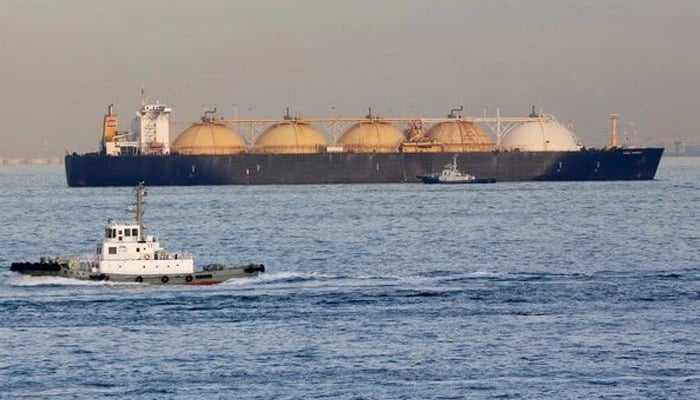
The vessel is expected to berth at the PGPCL terminal at Port Qasim on April 30, 2026, carrying around 140,000 cubic metres, or approximately 3 billion cubic feet, of LNG.
Officials said the volume would not be enough to run four RLNG-based power plants at optimum capacity. The plants require at least 720mmcfd of RLNG to generate about 4,800MW of electricity at full load.
The government had received bids for three cargoes but decided to procure only one to immediately ease rising load shedding during peak hours, rejecting two cargoes scheduled for May because of higher prices.
For the cargo scheduled between April 27 and 30, TotalEnergies initially offered the lowest bid at $18.88 per MMBtu and later reduced it to $18.4 per mmbtu, which was approved.
For the second cargo, due between May 1 and 7, Vitol Bahrain submitted the lowest bid at $18.54 per mmbtu. For the third cargo, arriving between May 8 and 14, OQ Trading offered the lowest bid at $17.997 per mmbtu, while Vitol Bahrain also submitted a second offer of $18.74 per mmbtu for the same cargo.
Authorities expressed concern that LNG traders may have formed a cartel, resulting in elevated bid prices compared to the Asian benchmark, the Japan Korea Marker (JKM), currently hovering around $16.41-$16.47 per mmbtu.
The duration of the imported LNG will depend on daily regasification: at 100 mmcfd, the cargo would last about 30 days; at 200 mmcfd, around 15 days; and at 300 mmcfd for power generation, it would be consumed in approximately 10 days.
Officials said future LNG procurement hinges on geopolitical developments, particularly related to the Strait of Hormuz. Pakistan had been expecting four LNG cargoes from Qatar, but these could not materialise due to regional tensions, delays in the opening of Hormuz, and associated shipping risks.
In response to the high bids and lack of progress in talks involving Iran and the United States, Pakistan may pursue a negotiated LNG deal with Socar. Pakistan LNG Limited already has an arrangement with Socar under which the Azerbaijani company can offer one distressed LNG cargo per month, subject to Pakistan’s acceptance.
However, officials noted that due to strong global LNG demand, distressed cargoes are currently unavailable. Even so, Socar has recently indicated — around five days ago — that it remains ready to supply LNG if Pakistan seeks to proceed.
Officials said the reference price for any such deal would be linked to the spot market, currently around $16.41-$16.47 per mmbtu, with a targeted range between $17 and $17.3 per mmbtu to secure relatively affordable supply.
If geopolitical tensions persist, officials indicated Pakistan may avoid further spot LNG procurement through competitive bidding due to consistently high prices.