How did NC teen catch brain-eating amoeba? Report points to community centre water feature
The North Carolina teenager was hospitalised on August 22 and died on August 31, 2026 after a week-long struggle with 'amoeba' infection
Published September 18, 2026
North Carolina health officials have determined the source of amoeba infection that ended the teen’s life after a week-long struggle last month.
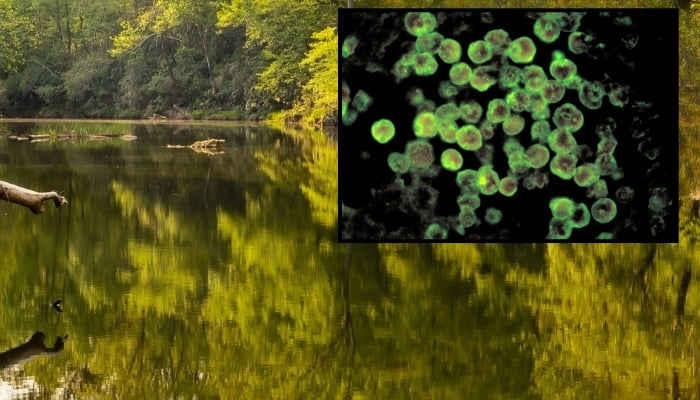
The North Carolina Department of Health and Human Services (NCDHHS) said last month the teenager had contracted an infection caused by Naegleria fowleri, a microscopic organism that carries the potential of damaging the brain.
“The amoeba does not cause illness if swallowed but can be fatal if water with the amoeba in it is forced up the nose into the brain,” said NCDHHS.
The North Carolina teenager, whose identity was kept secret for family reasons, was hospitalised on August 22 and after a week of struggle with “amoeba” died on August 31, 2026.
At the time, state health officials were unable to determine how or where the teen contracted the infection.
A report released by the NCDHHS on Tuesday, September 15, revealed that the teen was most likely infected by a water feature at a community centre in Durham County.
According to the report, the investigators concluded that the teen was exposed to water, including splashing it on their face, from a water feature in the garden of a community-based mental health care centre.
How does an amoeba infection usually present itself?
The brain-rot infection, known as primary amebic meningoencephalitis can trigger chronic headache, fever nausea and vomiting.
The ideal conditions for amoeba infection are warm waters and can survive at temperatures as high as 115 degrees.
In the U.S., fewer than 10 cases are typically reported each year.
The infection targets brain, and progresses quickly and typically leads to death within five days of symptom onset.