US government spending $30 million on birth control for wild horses: Here's why
BLM says controlling births could reduce the need to repeatedly round up and remove horses
Published September 23, 2026
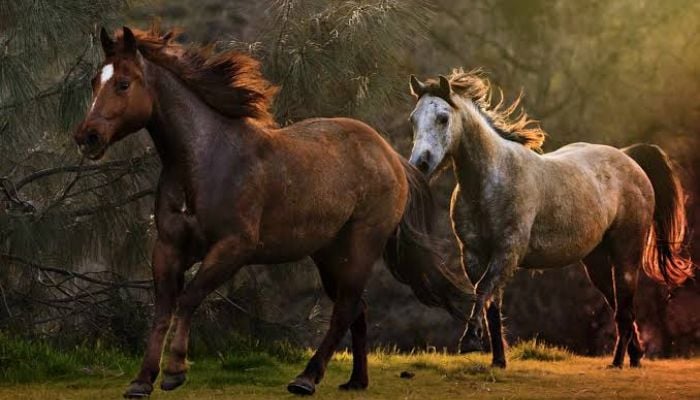
The US government is spending $30 million on birth control for wild horses as officials try to bring rapidly growing herds under control across the American West.
The Department of Agriculture funding will expand fertility-control programs run by the Bureau of Land Management (BLM), particularly in areas where horses are competing for increasingly limited food and water.
Nevada is at the center of the problem.
Wild horse populations there can grow by around 15 to 20% each year, while drought and hotter summers have made it harder for the land to support larger herds.
Some horses have been left dehydrated and underweight and forced to travel farther in search of water and forage.
The government's solution is essentially contraception.
Female horses can be given fertility-control vaccines, including GonaCon and PZP-based treatments, which temporarily prevent pregnancy. In some areas, the animals can be treated remotely using darts.
The BLM says controlling births could reduce the need to repeatedly round up and remove horses. Without population management, wild herds can double in just four to five years.
The issue remains controversial.
Some lawmakers and animal advocates have raised concerns about the government's wider population-control methods, particularly helicopter roundups and what happens to horses after they are removed.
The BLM says federal law prohibits sending the protected animals to slaughter and argues that fertility control can help keep more horses on the range while preventing herds from outgrowing available resources.