Cholesterol myths debunked: Cardiologists push back as misinformation spreads online
Cholesterol screenings are falling short as heart disease progress stalls
Published October 05, 2026
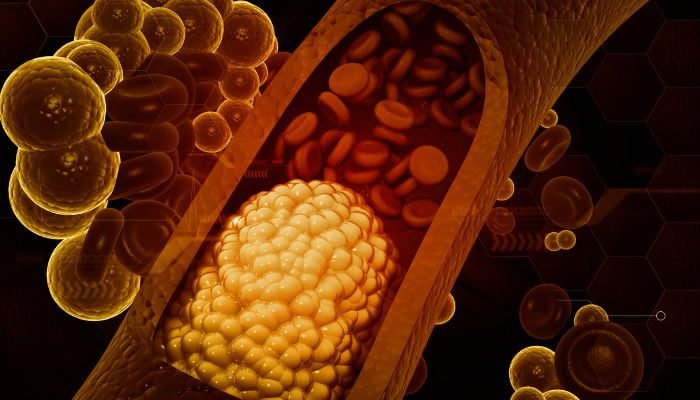
According to cardiologists, misinformation on social media has led to misunderstandings about what cholesterol is and how it should be treated. In a statement published on Monday, experts explained that there was no question from the scientific perspective: high levels of LDL (or “bad” cholesterol) may cause a heart attack, stroke, or even death.
This comes after the number of cardiovascular deaths fell sharply due to statins, medicines to treat hypertension, and fewer tobacco users in recent decades. According to specialists, rising doubts about the safety of statins, along with misunderstandings about the role of cholesterol, are among the reasons for this problem. The federal health authorities have been trying to dispel the myths for many years. According to the CDC, cholesterol is necessary for the development of cell membranes and hormone production, while an excessive amount of LDL causes the formation of plaque in arteries. HDL, on the other hand, takes cholesterol back to the liver.
The CDC goes on to state that high cholesterol usually does not produce any symptoms, so many individuals find out about their condition only during a heart attack or stroke. It is recommended that adults undergo testing for cholesterol levels once every five years, follow a diet low in saturated fats, engage in regular physical activity, and abstain from smoking.
It is important to note that in some cases, lifestyle changes are not enough. Individuals who suffer from familial hypercholesterolemia, cardiovascular disease, or diabetes need medications such as statins or new drugs, such as PCSK9 inhibitors, that reduce LDL levels by up to 60 per cent.
According to research conducted by Johns Hopkins Medicine, in almost one-quarter of cases, traditional LDL cholesterol estimates provide an inaccurate picture of one's risk level.