US military prepares for 'doomsday' scenario as Pentagon unveils 90-day survival plan
FORTRESS initiative will also strengthen military communications and satellite systems against cyberattacks
Published October 27, 2026
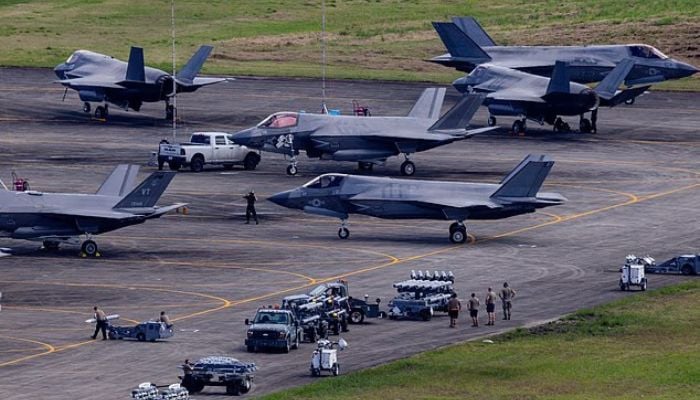
The United States is preparing its military bases to survive at least 90 days without electricity, water, fuel or outside assistance in the event of a major war that could disrupt critical infrastructure across the country.
The Pentagon has unveiled an initiative called FORTRESS, under which major military installations across the continental US will be required to operate independently for three months if civilian infrastructure and supply chains collapse.
According to Fox News Digital, which reviewed documents detailing the initiative, the plan involves installing portable nuclear reactors, large batteries and microgrids to ensure uninterrupted power supplies at military facilities.
Pentagon chief spokesperson Sean Parnell said the military could no longer depend entirely on civilian infrastructure to maintain its operations during a conflict.
"We don't want to rely on standard civilian municipal infrastructure to run our national defense. We just simply can't. It's an intolerable risk," he said.
The initiative also calls for stockpiling ammunition, fuel, medical equipment, critical minerals and spare parts to keep American forces operational even if global supply chains are disrupted.
Interestingly, the Pentagon is also identifying civilian factories that could be converted to manufacture military equipment during a major conflict.
The preparations come amid growing concerns that a future war could involve attacks on American power grids, communications networks and other essential services.
Parnell warned that the US could no longer assume its geographical position between the Atlantic and Pacific oceans would protect it from threats.
The FORTRESS initiative will also strengthen military communications and satellite systems against cyberattacks, electronic interference and disruptions to GPS signals.
However, the Pentagon has not announced when all military installations will meet the new requirements or how much the programme will cost.
The measures are intended to ensure military readiness during a prolonged emergency and do not indicate that a global war is imminent.