WHO: Public health risk ‘low' after Russian plague lab researcher's death
US plague response stalls as key details remain unknown
Published October 06, 2026
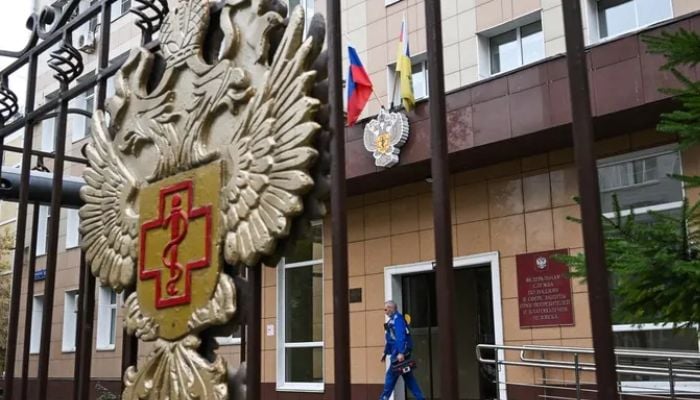
According to U.S. health officials, a lack of vital information is standing in the way of assessing whether travel alerts or additional measures should be considered after a scientist died in a Russian plague research centre in Siberia.
There are two main unknowns in this case: the pathogen that caused the death of the 28-year-old researcher at the Irkutsk Anti-Plague Research Institute, as well as the level of containment. The researcher died due to "pneumonia of unknown aetiology," leading to almost 200 people being put under observation in a hospital.
The World Health Organisation said it was in touch with Russian health authorities but assessed the risk to the general public as "low" based on unverified reports. Christian Lindmeier, the WHO spokesperson, said they had found and monitored all contacts, and none showed any symptoms.
Rospotrebnadzor, Russia’s public health agency, said the epidemiological situation in Irkutsk and Shelekhov is “stable” and that testing found no pathogens linked to the researcher’s lab work. But the agency didn’t specify what caused her illness or death.
Testing of contacts revealed two COVID-19 cases and two rhinovirus infections. Public health experts say there’s no cause for Americans to panic, but the episode underscores the nature of global biological threats and the need for pandemic preparedness. The White House said it is monitoring the situation and assessing options with the CDC and interagency partners.