James Cameron breaks silence on Netflix acquiring Warner Bros
Netflix announced this month of acquiring the iconic Warner, HBO properties
Published December 13, 2025
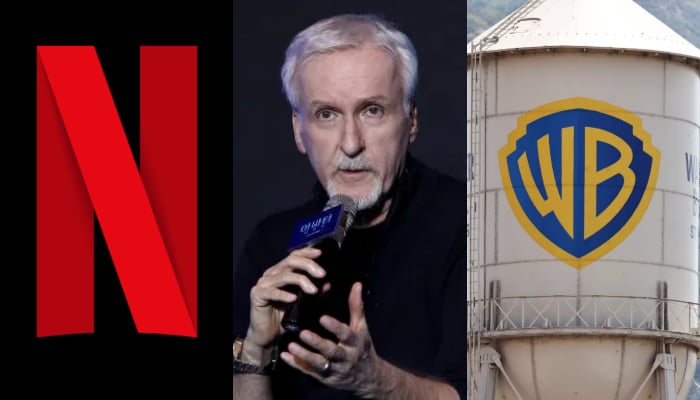
James Cameron is speaking out as questions swirl around Netflix’s potential acquisition of Warner Bros., and the filmmaker is making one thing clear, he’s not ready to watch the theatrical experience get pushed aside.
The three-time Oscar winner shared his concerns during a recent conversation with Deadline, offering a candid take on how such a deal could reshape the future of moviegoing.
Cameron acknowledged that nothing is final yet, but said the idea of Netflix taking control of a legacy studio raises real worries about what happens to theaters and traditional release windows.
“Look, it’s no secret that Netflix, they’ve kind of, in a funny way, they’ve had to make an accommodation with a few filmmakers like Guillermo del Toro and so on to keep a foot in theatrical, but I think it’s no secret that they want to replace theatrical,” he said.
While Cameron admitted the industry could evolve in unexpected ways, he made it clear where he stands.
“OK, I mean, maybe that happens, I don’t know, maybe I’m a dinosaur,” he continued.
“I happen to think that there’s something sacred about the movie-going experience and just the ease and broad access of streaming is not the complete answer, but you can’t just steamroll theatrical out of existence and I’m going to stay opposed to that.”
His comments come as Netflix leadership has publicly expressed support for theatrical releases, even as insiders suggest the company favours a much shorter exclusive window than theaters want.
Cameron questioned whether blockbuster films could truly thrive under those conditions, arguing that long-term box office success depends on more than quick streaming access.
Reflecting on his own work, Cameron stressed that big-screen storytelling still matters deeply to him.
“They play well through the waterfall because a good story is a good story,” he said, but added that scale and immersion are essential for maximum impact.
Speaking about Avatar: Fire and Ash, he explained why theaters remain central to his vision, “But the way it’s meant to be enjoyed is in a theater in 3D, in an unbroken stream of consciousness, three hours long…”
He didn’t mince words about home viewing either.
“The second you’ve got a remote and you composite, you just lost half of the impact,” Cameron said. “Boom! Mic drop. I’ve never said it that concisely.”
As the industry waits to see how the Netflix-Warner Bros. situation unfolds, Cameron’s message is unmistakable: progress doesn’t have to mean abandoning the big screen.
For him, the future of cinema still belongs, first and foremost, in a dark theater with an uninterrupted story playing larger than life.