Smartphones going to be dead in 2026?
Uncertainty drapes smartphones' future as new devices with new interfaces are emerging rapidly
Published January 01, 2026
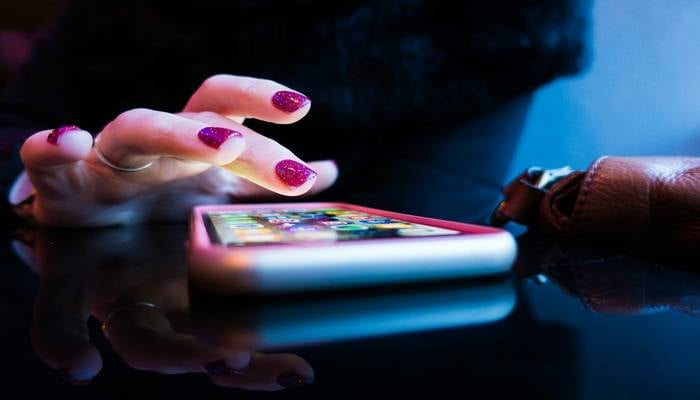
As technologies, especially the ones that power handy gadgets like smartphones, are advancing at an overwhelming pace, it feels that our interaction with smartphones—once the pinnacle of a personal, portable device—and similar devices, is going to be affected in a manner that might even render smartphones obsolete in the near future.
While the biggest chunk of this huge transformation is attributed to AI—evidently the biggest difference-maker to the modern-day technologies—a gloom of uncertainty is draping smartphones' future, given an extraordinary uptick in the emergence of new devices with new interfaces.
This situation largely contributes to the prevailing impression that 2026 would mark the end of smartphones as we know them.
Jon Callaghan, co-founder of True Ventures, believes that our reliance on smartphones will diminish significantly, not this, but in the coming years. “I kind of don’t think we’ll be using them in five years – or let’s say something different that’s a little safer – we’re going to be using them in very different ways,” he he asserted.
His perspective is not just speculation, because it’s a thesis that True Ventures is investing in.
What tips the scale in his perception's favour is his argument that smartphones are inefficient as interfaces for human-computer interaction. “The way we take them out right now to send a text… is super inefficient,” he explains, adding that this inefficiency makes room for alternative technologies that can better serve our needs.
True Ventures has reportedly been exploring avenues for these alternatives for years, investing in innovations that offer more natural interactions with technology.
One such innovation is Sandbar, a voice-activated ring designed to capture and organise thoughts through voice notes. Callaghan describes it as a “thought companion,” fulfilling a fundamental human need that current technology fails to.
He believes that the device exemplifies a transition towards more intuitive interfaces that will possibly replace smartphones. This shift is evident in the investment landscape.
While the smartphone market is stagnating, growing at a mere 2% annually, wearables like smartwatches and voice-enabled devices are succeeding at double-digit rates. This trend indicates a growing consumer desire for more compact and integrated technology that fits into daily life, moving away from the seemingly cumbersome nature of smartphones.
Callaghan’s view validates a broader narrative in tech: the future lies in enabling new behaviours rather than simply upgrading existing gadgets.
The greatest value creation will occur in the application layer of technology, where new interfaces can provide entirely new and unique ways of interacting with information and each other, Callaghan claims.
As we look forward to what's ahead in 2026, the question that persists is whether smartphones will become obsolete or not. With the saturation of the smartphone market and the stunning growth of alternatives, this evolution seems imminent.
If nothing, Callaghan’s vision makes consumers reimagine their relationship with technology and consider how we can embrace new forms of interaction that simultaneously improve our lives.
As the modern era is mostly driven by AI and similarly fascinating tech innovations, the smartphone may soon become a thing of the past, which is very well described by Callaghan, as his philosophy is suspected to define the next wave of technological evolution, leaving traditional smartphones behind.