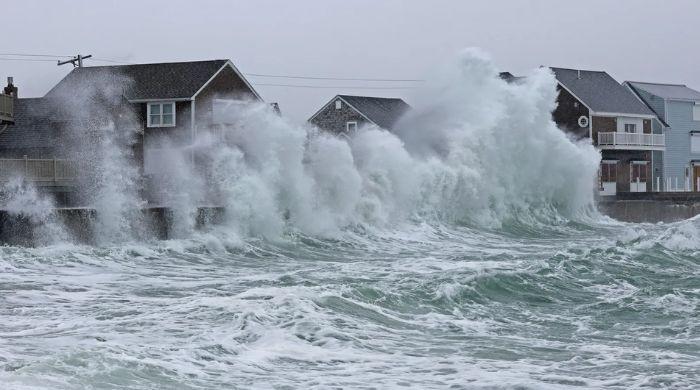
Why global winters are becoming harsher: Analyzing factors driving extreme cold
Temperature extremes, heavy snowfall, unusual weather forecasts marked one of the harshest winters in recent years
Published January 12, 2026

This winter season has delivered severe cold snaps, record-breaking snowfall, and widespread disruption across large parts of the world. From North America and Europe to East and South Asia, the harsh winter season has been experienced.
Meteorologists attribute the primary reason behind the unusual cold season to the strong influence of the La Niña phenomenon, compounded by the growing impacts of climate change on global weather systems.
La Niña: A major trigger
La Niña is a natural climate pattern marked by cooler-than-average sea surface temperatures in the central and eastern Pacific Ocean, which plays a central role in shaping the winter’s weather. Due to this phenomenon, natural atmospheric circulation is disrupted, pushing cold Arctic air further south than usual.
Resultantly, regions like the United States, Canada, Europe, and parts of Asia experience prolonged cold spells, frequent snowstorms, and sharp drops in temperature. Throughout the season, there were life-threatening colds, blizzards, and ice storms, especially in regions that are unaccustomed to such extremes.
Polar Vortex and Jet Stream Disruptions
According to DW, Scientists also indicate an instability in the polar vortex. It is a large area of low pressure and cold air surrounding the Earth’s poles. This winter, the polar vortex weakened and stretched, enabling frigid Arctic air to plunge into mid-latitude regions. This effect is further intensified by climate change. Rapid warming in the Arctic, known as Arctic amplification, is reducing the temperature difference between the poles and lower latitudes. This weakens the jet stream, making it slower and more erratic. When the jet stream meanders, cold air can spill southward, triggering sudden and severe winter weather.
Climate Change Paradox
According to the National Aeronautics and Space Administration (NASA), global warming does not eliminate snow or freezing temperatures. Instead, as air temperatures rise, the atmosphere can hold more moisture.
When the temperature drops below freezing, this added moisture can lead to heavier snowfall. This helps explain why several regions experienced intense snowstorms and record accumulations, even as long-term data show the planet is warming overall.
Documented impacts this winter
The harsh winters were reported across the globe. In the United States and Canada, temperatures dropped below -40°C in some northern regions, triggering National Weather Service warnings of life-threatening cold. Across Europe, winter has been marked by striking temperature contrasts.
It is particularly cold in Scandinavia and Northern Europe, with deep snow and temperatures down to -40°C in some northern places. Big parts of Western and Central Europe have been majorly disrupted by snow and ice, including transportation networks in Britain, France, the Netherlands, and Germany.
In Paris, heavy snow has covered everything with white; temperatures there reached around -4°C. Eastern Europe has similarly suffered from persistent sub-zero temperatures with frequent falls of snow.
The United Kingdom is hit by Storm Goretti, which brought winds up to 120 mph, snow, and flooding risks from rapid thaw with widespread power outages.
Parts of Asia, especially Northern India, Pakistan, and Northern Asia, are also experiencing harsh winters driven by factors like La Niña and the Siberian High pressure system, bringing cold waves, dense fog, and below-freezing temperatures.
What lies ahead
Experts caution that such harsh winters may become more common in the short term due to the interaction between La Niña events and climate-driven changes in atmospheric circulation. However, over the long term, global warming is expected to reduce the overall number of days while increasing the severity of extreme weather events when they do occur.