Nvidia's H200 chip, other processors gain US approval to be sold in China
Published January 14, 2026
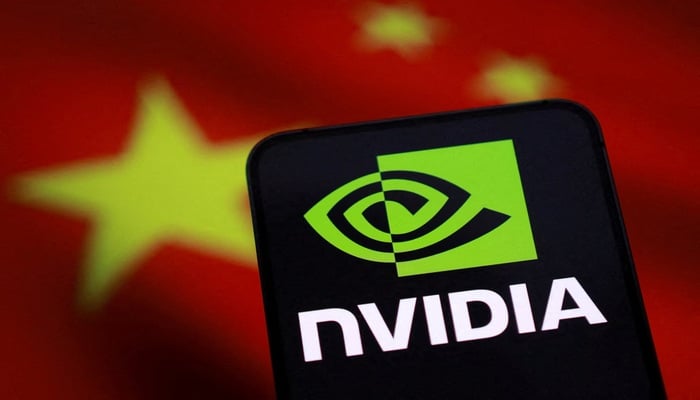
In the latest fold surrounding hostilities between the US and China pertaining to the GPU trade, the US government has allowed chip maker Nvidia to sell its advanced AI processors to China.
Announced by the Department of Commerce on Tuesday, this decision ditches the US long-held restrictions on the H200 chip, Nvidia's second-most-advanced semiconductor, on the pretext that it could enhance China's technology sector and military capabilities.
The Commerce Department stated that shipments of the H200 chips to China are permitted, provided there is an adequate supply of these processors within the US.
US President Donald Trump indicated he would allow advanced Nvidia chip sales to "approved customers" in China on the condition that a 25% fee would be paid to the US government on transactions.
An Nvidia spokesperson expressed appreciation for the decision, outlining that it would aid manufacturing and job creation in the US.
The US export policy from the Bureau of Industry and Security applies not only to the H200 chips, but also to less advanced ones. However, Chinese customers are required to demonstrate "sufficient security procedures" and are prohibited from using the chips for military purposes.
The H200 chip is Nvidia's second-best chip after the Blackwell processor, which is still banned in China.
Chinese embassy spokesman Liu Pengyu opposed the "politicisation and weaponisation of tech and trade issues," stressing that such restrictions disrupt industrial stability and do not serve mutual interests.
That said, Nvidia appears stuck in the middle of a geopolitical struggle between the US and China, both fighting for dominance in the global AI race.
While the restrictions are seemingly easing, tensions remain intact as tech firms in Beijing are encouraged to prioritise domestic semiconductor production.