Sindh reports first rabies fatality of 2026 after 8-year-old dies in Sanghar
Girl was bitten 1.5 months ago; treatment was incomplete with vaccination improperly administered, say doctors
Published January 27, 2026
- The girl was from Jhol in Sanghar district.
- Multiple deep wounds reported by doctors.
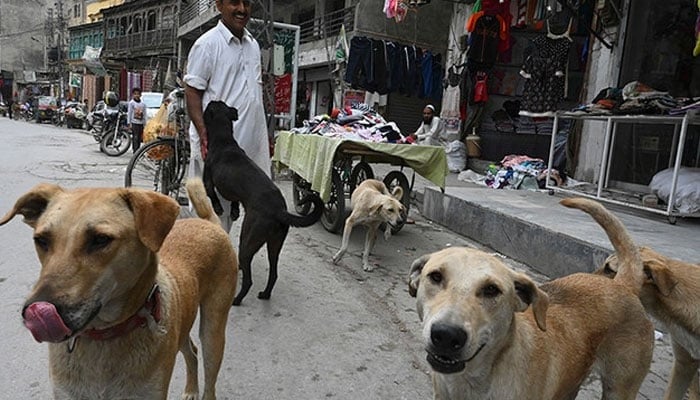
- Over 3,000 dog bite cases reported this month.
An eight-year-old girl from Jhol in Sanghar district has died after contracting rabies, marking the first rabies death reported in Sindh this year and the first confirmed rabies case of 2026 in the province, once again exposing gaps in dog-bite management, post-exposure treatment and public awareness.
The In-charge of the Dog Bite Clinic at Indus Hospital, Dr Gohar Aftab, said the girl died due to rabies, adding that she was shifted to Indus Hospital Karachi yesterday.
Dr Aftab said the child had been bitten by a dog around one-and-a-half months ago and had multiple, deep wounds on her body.
According to health care providers at the Indus Hospital Karachi, the child was bitten by a stray dog around one-and-a-half months ago and sustained multiple deep wounds. She was taken to several public-sector health facilities where post-exposure prophylaxis was reportedly initiated.
However, hospital officials said the treatment was incomplete and inadequate, and rabies vaccination was not properly administered, leaving the child unprotected against the fatal virus.
Doctors at the Indus Hospital said the child developed hydrophobia and aerophobia, hallmark symptoms of advanced rabies encephalitis, indicating that the disease had reached its final and irreversible stage.
She has been shifted to Indus Hospital Karachi, where she received palliative care, as rabies is almost invariably fatal once clinical symptoms appear. Health authorities confirmed that this was the first rabies case reported in 2026, even as the province continues to report an alarming number of dog-bite incidents.
More than 3,000 dog bite cases have already been recorded this month alone, raising fears that additional rabies cases could emerge in the coming weeks.
Public health experts warn that the child’s case reflects a systemic failure rather than an isolated incident. Rabies is entirely preventable if wounds are washed immediately with soap and water for at least 15 minutes, followed by timely and complete administration of rabies vaccine and rabies immunoglobulin for severe exposures.
Delays, incomplete vaccination schedules and lack of immunoglobulin, experts say, continue to cost lives. Last year, 21 people died of rabies in Sindh, while more than 60,000 dog bite cases were reported across the province, according to official data. Most victims belonged to low-income communities and rural or peri-urban areas, where access to quality emergency care and rabies immunoglobulin remains limited.
Doctors say that many dog-bite victims either do not seek medical care immediately or are given only tetanus injections and antibiotics, while the critical steps of wound washing, rabies vaccination and immunoglobulin administration are missed. In some cases, patients move between multiple facilities without proper documentation or continuity of care.
Health experts have repeatedly warned that rabies remains 100% fatal, but it is also 100% preventable, yet Pakistan continues to report avoidable deaths due to weak dog population control, inconsistent availability of vaccines and immunoglobulin, and poor coordination between local governments and health departments.
Paediatricians and infectious disease specialists have urged the authorities to strengthen dog-bite management services, ensure uninterrupted availability of rabies vaccines and immunoglobulin at public hospitals, and launch sustained public awareness campaigns, particularly in high-risk districts.
“The tragedy is that this child did everything late because the system failed her,” said a senior infectious disease expert. “Once symptoms appear, nothing can be done. The only chance to save lives is immediate and correct treatment after a dog bite.”