Power cuts, staff shortages strain Karachi fire brigade operations
Single operator handling emergency calls; limited water supply, lack of communication system hampers response
Published January 29, 2026
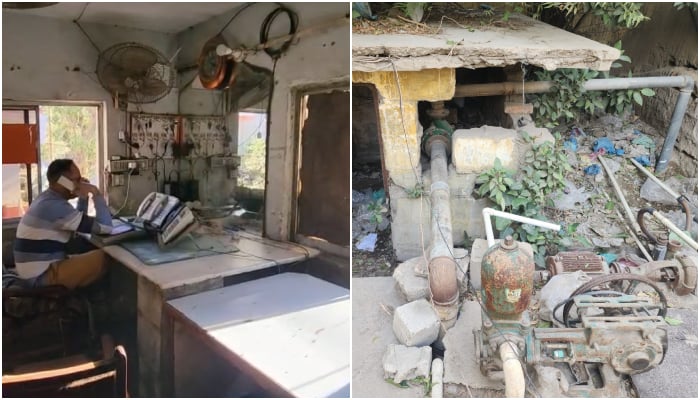
Days after the deadly Gul Plaza fire raised serious questions about the city's emergency response, on-ground realities have exposed alarming conditions at the central fire office, revealing systemic failures that severely hamper firefighting operations.
An investigation into Karachi’s fire brigade has revealed chronic power outages, water shortages, staff crunch, and a lack of communication systems, hampering emergency response across the city.
The findings come days after at least 79 persons were killed and three were left missing in the Gul Plaza inferno, followed by the delayed response by the authorities concerned.
An on-ground visit to the Central Fire Office — the original headquarters of the Karachi Fire Brigade — pointed to deep-rooted operational failures.
According to fire officials, the headquarters faces prolonged load shedding throughout the day. Power remains unavailable from 7:30am to 8:30am, 10:00am to 12:30pm, 2:00pm to 6:30pm, 6:00pm to 9:30pm, and again from 10:30pm to 12:30am.
The facility is responsible for dispatching fire tenders and filling water in emergency vehicles.
Even with electricity, the department struggles with water shortages. Unlike upscale areas and the Red Zone, where water supply flows continuously, the Central Fire Office receives water only between 11:00pm and 8:00am through ageing pipelines. Water is first stored in an underground tank before being pumped into fire tenders.
Staff shortages have further crippled operations. The Karachi Fire Brigade is facing a shortfall of around 450 employees, with the most critical gap observed in the emergency call centre. Only one operator is deployed at a time to manage four phone lines, including the main emergency number 16.
Officials said all calls made to the 16 emergency line from mobile phones across Pakistan are routed to the Karachi headquarters, overwhelming the lone operator. The process requires the operator to receive the call, verify the information by calling back, and then relay it to relevant fire stations, often resulting in delays or busy signals.
Communication challenges persist even after fire tenders are dispatched. The fire brigade has no wireless or dedicated communication system and relies solely on mobile phones. The department's earlier communication network has remained non-functional since 2011.
Fire brigade staff also highlighted difficulties in reaching incident sites due to heavy traffic and a lack of public response to emergency vehicles. Employees said there is no insurance cover for firefighters, while those who fall ill or are injured during duty must initially bear medical expenses themselves.
Firefighters further said duty hours have increased to 12 hours, while overtime payments that were previously available are no longer provided, adding to concerns over working conditions within the department.